TheWeeklyHealthiness: Your Practical Guide to Better Health, Wellness, and Everyday Living

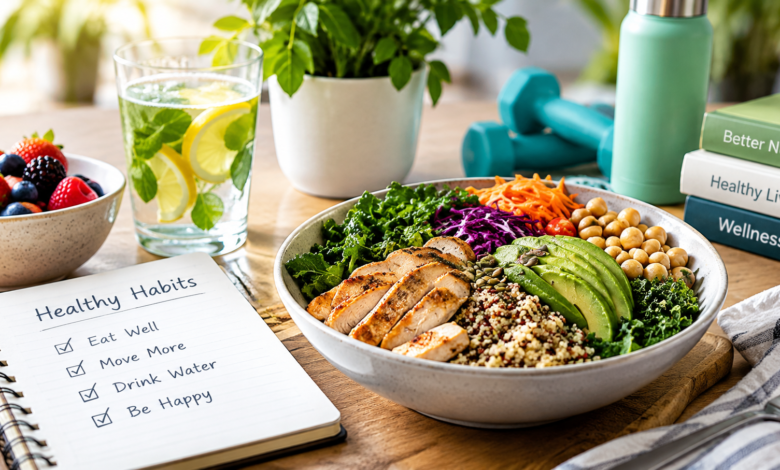
Introduction to TheWeeklyHealthiness
TheWeeklyHealthiness is one of the most valuable parts of life, yet it is often the easiest thing to overlook. Between busy work schedules, family responsibilities, financial pressures, and endless screen time, maintaining a healthy lifestyle can feel like another task on an already crowded to-do list. This is where TheWeeklyHealthiness becomes an interesting topic for anyone looking to understand wellness and build healthier everyday habits.
TheWeeklyHealthiness can be explored as a health and wellness concept centered on making informed choices, developing sustainable routines, and improving overall well-being. Rather than focusing exclusively on physical fitness, a comprehensive approach to health also considers mental wellness, nutrition, sleep quality, emotional balance, and preventive care.
One important thing to understand about modern wellness is that there is no universal formula that works for everyone. A routine that suits a professional working from home might not fit the lifestyle of a parent, student, or person working night shifts. The goal should be to identify realistic habits that fit your circumstances and improve gradually over time.
Another challenge is the overwhelming amount of TheWeeklyHealthiness information available online. Social media frequently promotes extreme diets, complicated workout routines, and products that promise impressive results in just a few days. Unfortunately, not every recommendation is supported by reliable scientific evidence. Learning to distinguish useful advice from exaggerated claims is an essential part of taking responsibility for your health.
A practical wellness approach focuses on consistency rather than perfection. Eating balanced meals most days, moving your body regularly, getting enough sleep, and maintaining supportive relationships can collectively make a meaningful difference. These habits may seem simple, but their long-term effects can be more valuable than short-lived lifestyle changes.
This guide explores TheWeeklyHealthiness through the major areas of everyday wellness. You will learn about nutrition, physical activity, mental health, sleep, preventive care, and strategies for building routines that last. Whether you are beginning your wellness journey or refining existing habits, the objective is to help you make informed decisions without unnecessary complexity.
What Is TheWeeklyHealthiness?
TheWeeklyHealthiness is a keyword that can be associated with the broader idea of maintaining health through consistent weekly habits. Its wording suggests a practical approach to wellness, where people regularly review their routines and make small improvements instead of relying on occasional bursts of motivation.
For readers researching TheWeeklyHealthiness as a website or online resource, it is important to distinguish the general wellness concept from the identity of a specific publisher. The keyword alone does not establish the site’s ownership, editorial team, medical credentials, or the accuracy of its content. Those details should be verified through the actual website and its published information.
At its core, a weekly wellness approach encourages people to consider how their everyday decisions affect their overall TheWeeklyHealthiness. This might include planning nutritious meals, scheduling exercise, managing stress, drinking enough fluids, and creating a consistent bedtime routine. Reviewing these habits weekly can help identify areas that need attention.
One advantage of this approach is that it makes health management feel more achievable. Instead of attempting to change everything overnight, you can focus on one or two manageable goals. For example, someone who rarely exercises might begin with a short daily walk before gradually introducing additional physical activity.
Another benefit is accountability. When you review your progress regularly, you can recognize patterns that might otherwise go unnoticed. Perhaps you sleep poorly after drinking coffee late in the afternoon, or you feel more energetic when you prepare lunch at home. Identifying these connections allows you to make decisions based on experience rather than guesswork.
Ultimately, TheWeeklyHealthiness can serve as a useful starting point for exploring sustainable wellness practices. However, any health advice associated with a particular website should be evaluated carefully. Reliable medical information should be transparent about its sources, avoid exaggerated promises, and encourage professional care when necessary.
Why Healthy Lifestyle Habits Matter
Healthy habits influence many aspects of daily life, including energy levels, concentration, physical fitness, and emotional well-being. Although individual results vary, consistently making supportive lifestyle choices can reduce several TheWeeklyHealthiness risks and contribute to a better quality of life.
One major benefit is improved physical functioning. Regular movement, adequate nutrition, and sufficient rest help your body perform essential activities. Everyday tasks such as climbing stairs, carrying groceries, walking longer distances, and concentrating at work can become easier when your lifestyle supports your physical needs.
Healthy routines can also support long-term disease prevention. A balanced diet, regular physical activity, avoiding tobacco, and appropriate preventive healthcare can help reduce the risk of various chronic conditions. These habits do not guarantee that a person will never become ill, because genetics, environment, age, and other factors also influence TheWeeklyHealthiness.
Mental well-being is another important consideration. Physical activity, restful sleep, nutritious meals, and social connection can support mood and emotional resilience. While lifestyle changes are not substitutes for professional mental healthcare, they can complement treatment and provide a stronger foundation for managing everyday stress.
Healthy habits may also improve how you approach your daily responsibilities. When you sleep adequately and eat regular, balanced meals, you may find it easier to maintain attention and energy throughout the day. These benefits can influence your productivity, relationships, and ability to participate in activities you enjoy.
Perhaps the most important advantage is that sustainable habits give you a sense of control over the choices you can influence. You cannot eliminate every health risk, but you can make thoughtful decisions about movement, food, rest, and preventive care. Progress becomes more realistic when you focus on actions you can repeat rather than outcomes you cannot completely control.
Nutrition: Building a Balanced and Sustainable Diet
Nutrition is one of the foundations of overall wellness. Your body needs energy, vitamins, minerals, protein, carbohydrates, fats, and fluids to support everyday functions. The goal is not to follow the strictest diet available but to develop an eating pattern that provides adequate nourishment and suits your needs.
A useful starting point is to include a variety of foods in your meals. Vegetables, fruits, whole grains, protein-rich foods, and sources of healthy fats can all contribute to a balanced diet. Different foods supply different nutrients, so variety is generally more helpful than depending heavily on a small number of supposedly perfect ingredients.
Protein deserves particular attention because it supports muscle maintenance, tissue repair, and several essential bodily functions. Eggs, beans, lentils, fish, poultry, dairy products, tofu, and nuts can contribute protein in different amounts. Your ideal intake depends on factors such as age, activity level, health status, and individual dietary requirements.
Carbohydrates are another important source of energy. Whole grains, oats, potatoes, fruit, and legumes provide carbohydrates alongside varying amounts of fiber and other nutrients. Rather than eliminating an entire food group without a medical reason, it is usually more practical to consider food quality, portion sizes, and the overall balance of your meals.
Healthy fats also have an important role in the body. Foods such as nuts, seeds, olive oil, and oily fish provide fats that can support normal bodily functions. At the same time, frequently consuming large amounts of highly processed foods may make it more difficult to maintain a balanced eating pattern, particularly when these foods displace more nutritious options.
Meal planning can make healthy eating easier when life gets busy. You might prepare a few basic ingredients in advance, keep convenient protein sources available, or plan meals around foods you already enjoy. There is no need to create elaborate recipes every day. Simple meals that combine vegetables, protein, and an appropriate carbohydrate source can be both practical and nutritious.
Physical Activity and the Importance of Daily Movement
Physical activity supports cardiovascular health, muscular strength, mobility, and overall physical functioning. It can also contribute to better sleep and emotional well-being. Importantly, exercise does not have to involve an expensive gym membership or a demanding training schedule to provide benefits.
Walking is one of the easiest ways to introduce more movement into everyday life. You can walk around your neighborhood, take the stairs when appropriate, or add a short walk during a break from work. If you have been inactive for a long time, beginning with manageable sessions can help you build confidence and establish a routine.
Strength training is another valuable component of physical fitness. Exercises using body weight, resistance bands, free weights, or machines can help maintain and develop muscle strength. Stronger muscles support everyday movements and can make activities such as lifting, carrying, and standing up more comfortable.
Flexibility and balance exercises can also be useful, particularly for people who spend long periods sitting or want to maintain mobility as they age. Gentle stretching, controlled movement exercises, and suitable balance activities may complement walking and strength training. The appropriate routine depends on your fitness level and any existing limitations.
For general adult health, the World Health Organization recommends at least 150 to 300 minutes of moderate-intensity aerobic activity per week, or an equivalent amount of vigorous activity, alongside muscle-strengthening activities on two or more days each week. These are general recommendations, not a requirement to begin at the full target immediately.
Consistency matters more than following a perfect workout plan. If you cannot complete a long session, a shorter period of movement may still be worthwhile. Increase activity gradually, choose activities you enjoy, and allow enough recovery between demanding sessions. If you have a medical condition, significant pain, or concerns about exercising safely, seek appropriate professional guidance before making major changes.
Mental Health and Emotional Well-Being
Mental health is an essential part of overall wellness, yet it is sometimes treated as less important than physical fitness. In reality, emotional well-being affects relationships, decision-making, concentration, motivation, and the way people respond to everyday challenges.
Stress is a normal response to difficult situations, but prolonged stress can become exhausting. Work demands, financial concerns, family responsibilities, and uncertainty can all contribute to emotional strain. Recognizing your stress triggers is a useful first step toward managing them more effectively.
Simple relaxation practices may help reduce everyday tension. Slow breathing, mindfulness exercises, quiet time outdoors, journaling, and gentle physical activity are options worth exploring. These strategies do not work identically for everyone, so it can take some experimentation to discover what helps you feel calmer and more focused.
Social relationships also play a meaningful role in emotional well-being. Talking with a trusted friend, spending time with supportive family members, or participating in a community activity can reduce feelings of isolation. Healthy relationships provide opportunities to share concerns, receive encouragement, and experience a sense of belonging.
Setting boundaries is another practical skill. Constantly agreeing to additional responsibilities, remaining available to work at all hours, or comparing yourself with people online can create unnecessary pressure. Making time for rest and personal interests is not laziness. It is part of maintaining a sustainable balance between responsibilities and recovery.
Professional support is important when emotional difficulties persist or interfere with everyday functioning. A qualified mental health professional can help assess symptoms and recommend appropriate treatment. If you experience severe distress or thoughts of harming yourself, seek immediate support from local emergency services or a qualified crisis service. Wellness routines can complement professional care, but they should never be presented as a guaranteed replacement for it.
Sleep Quality and Its Role in Everyday Health
Sleep allows the body and brain to recover from daily activity. It supports memory, attention, emotional regulation, immune function, and many other processes. Although people sometimes treat sleep as optional when schedules become busy, consistently getting too little rest can affect both physical and mental performance.
Most adults generally need at least seven hours of sleep per night, although individual requirements vary. Children and teenagers typically need more. Your personal needs may also change depending on age, activity, illness, and other circumstances, so it is helpful to pay attention to both sleep duration and how rested you feel during the day.
A consistent bedtime and waking time can support a more stable sleep schedule. Your body benefits from predictable routines, particularly when you maintain them across weekdays and weekends. If your work schedule changes frequently, try to establish a realistic pattern that gives you adequate opportunity to rest.
Your sleeping environment also matters. A dark, quiet, comfortable room may make it easier to fall asleep and remain asleep. Reducing bright light before bedtime, limiting late-day caffeine, and avoiding heavy meals immediately before bed may help some people improve their sleep quality.
Technology can become a problem when scrolling, gaming, or watching videos repeatedly delays bedtime. Instead of attempting to eliminate every device, establish a clear stopping point for stimulating activities. Replacing the final part of your evening screen time with reading, gentle stretching, or another relaxing activity may make winding down easier.
Persistent sleep difficulties deserve attention. Loud snoring accompanied by breathing interruptions, severe daytime sleepiness, or ongoing insomnia can indicate a problem that requires medical assessment. Better sleep habits are useful, but they cannot resolve every sleep disorder. If poor sleep continues despite reasonable changes, consult a qualified healthcare professional.
Hydration and Its Importance for the Body
Water supports several essential bodily functions, including temperature regulation, digestion, circulation, and the transportation of nutrients. When fluid losses exceed intake, dehydration can develop and affect how you feel and function.
Fluid requirements differ from person to person. Weather, physical activity, body size, diet, pregnancy, illness, and certain medications can all influence how much water someone needs. People living in hot climates or exercising outdoors may need to pay particular attention to replacing fluids lost through sweating.
Drinking water regularly throughout the day is a straightforward starting point. Keeping a refillable bottle nearby can serve as a helpful reminder, especially if you spend long hours working at a desk or studying. You can also obtain fluids from foods such as soups, fruit, and vegetables.
Thirst can provide useful information about your body’s fluid needs, although it may be less reliable in certain circumstances, including older age or some illnesses. Urine color can offer a rough clue about hydration, but it is not a perfect measurement because foods, vitamins, and medications can change its appearance.
It is not necessary for everyone to follow the same fixed daily water target. Popular advice often suggests identical amounts regardless of body size, activity, climate, or TheWeeklyHealthiness status. A more sensible approach is to consider your individual circumstances and follow guidance from a qualified healthcare professional if you have special fluid requirements.
People with certain heart, kidney, or other medical conditions may need to limit or carefully manage their fluid intake. In these situations, drinking substantially more water is not automatically beneficial. Follow your clinician’s recommendations rather than assuming that every wellness trend is suitable for your body.
Preventive Healthcare and Regular Health Checkups
Preventive healthcare focuses on identifying potential health problems early and reducing avoidable risks. Although healthy habits are valuable, they do not eliminate the need for professional medical care, appropriate screening, or vaccinations.
Routine healthcare appointments provide an opportunity to discuss concerns, review medications, and assess relevant risk factors. Depending on your age, medical history, and circumstances, a healthcare professional may recommend checks involving blood pressure, cholesterol, blood glucose, or other TheWeeklyHealthiness indicators.
Screening recommendations vary by country and individual risk. Not every person needs every available test, and unnecessary testing can sometimes lead to confusion or follow-up procedures that offer little benefit. A qualified clinician can help determine which preventive services are appropriate for you.
Vaccinations are another important part of preventive care. Recommended vaccines help protect individuals against specific infectious diseases and may reduce the likelihood of serious complications. Your vaccination needs depend on factors such as age, medical history, travel plans, occupation, and local public TheWeeklyHealthiness guidance.
It is equally important to pay attention to symptoms that are new, persistent, or worsening. Unexplained changes in weight, ongoing fatigue, unusual pain, or other concerning symptoms should not automatically be attributed to stress or a busy lifestyle. Medical evaluation can help identify the cause and determine whether treatment is needed.
Finally, preventive healthcare includes practical steps such as avoiding tobacco, limiting alcohol consumption, using sun protection, and following medication instructions. These choices may appear unrelated, but they contribute to a broader approach to protecting long-term TheWeeklyHealthiness. A good wellness routine supports professional healthcare rather than attempting to replace it.
How to Build a Weekly Wellness Routine
Creating a realistic weekly routine can make TheWeeklyHealthiness goals easier to manage. Instead of trying to change your diet, sleep, exercise, and work schedule simultaneously, choose a small number of priorities that fit your current circumstances.
Start by reviewing your existing habits. Consider how often you move, whether you eat regular meals, how much sleep you typically get, and which situations create the most stress. This assessment is not about criticizing yourself. It is about identifying practical opportunities for improvement.
Next, choose specific goals. A broad goal such as becoming healthier is difficult to measure, while a goal such as walking for 15 minutes after lunch on four days each week gives you a clear starting point. Once that habit becomes manageable, you can adjust the duration or frequency.
Planning ahead can also reduce friction. You might prepare ingredients on Sunday, schedule exercise sessions in your calendar, or establish a reminder to begin winding down before bedtime. The best system is one that works with your normal life instead of requiring you to reorganize everything around it.
Flexibility is essential because no week goes exactly as planned. Illness, unexpected work, family responsibilities, and travel may disrupt your routine. Rather than treating one missed workout or an unbalanced meal as a failure, return to your usual habits when circumstances allow. A sustainable routine makes room for ordinary life.
Review your progress at the end of each week. Ask yourself which habits felt easy, which were difficult, and what changes might make the following week more manageable. You may discover that shorter workouts fit your schedule better or that preparing breakfast the night before helps you avoid skipping meals.
The purpose of weekly planning is to support steady improvement, not to turn wellness into another source of pressure. A routine should make your life healthier and more manageable. If tracking every detail becomes stressful, simplify the process and focus on a few meaningful habits.
Common Health and Wellness Mistakes to Avoid
One common mistake is expecting immediate results. People sometimes begin a demanding diet or exercise program and become discouraged when they do not see dramatic changes within days. In reality, improvements in fitness, strength, sleep patterns, and other aspects of TheWeeklyHealthiness often require sustained effort.
Another mistake is following extreme diets without considering nutritional needs. Restricting entire food groups, skipping meals unnecessarily, or drastically reducing calorie intake may create nutritional problems and make a healthy routine harder to maintain. People with specific medical needs should seek qualified dietary guidance rather than relying on generic internet advice.
Overtraining is another issue, particularly among beginners who attempt to exercise intensely every day. Physical activity can be beneficial, but the body also needs recovery. Increasing intensity too quickly may contribute to excessive fatigue, pain, or injury. Gradual progression is generally more sustainable.
Many people also underestimate sleep because they prioritize work or entertainment. Repeatedly sacrificing rest to complete tasks may reduce concentration and leave you feeling less energetic. Protecting a consistent sleep opportunity can be a more productive choice than extending your day while exhausted.
A further mistake is trusting every wellness claim encountered online. Influencers and anonymous websites may promote supplements, detox products, or treatments without strong evidence. Be cautious about promises of guaranteed weight loss, rapid cures, or products described as universally safe. Look for credible sources, transparent evidence, and appropriate professional advice.
Finally, avoid comparing your TheWeeklyHealthiness journey too closely with other people’s experiences. Individuals differ in genetics, circumstances, resources, medical needs, and starting points. Your progress should be evaluated in relation to your own needs and goals, not an unrealistic image presented on social media.
The Role of Digital Resources in Modern Wellness
Digital resources have changed how people access TheWeeklyHealthiness information. Websites, educational videos, mobile applications, and online communities can make it easier to learn about nutrition, physical activity, sleep, and preventive healthcare.
A website associated with the TheWeeklyHealthiness keyword may be useful to readers if it provides accessible explanations, practical lifestyle suggestions, and links to reliable evidence. However, the usefulness of any particular platform depends on the actual content it publishes, its editorial standards, and the quality of its sources.
When evaluating an online TheWeeklyHealthiness resource, check whether articles identify their authors and explain relevant qualifications. Medical content should distinguish established evidence from personal opinions, cite reliable sources when appropriate, and indicate when information was reviewed or updated.
It is also worth examining how a website handles commercial relationships. Some wellness publishers earn money through advertising, sponsored content, affiliate links, or product recommendations. These business models are not automatically problematic, but readers should be able to identify promotional material and understand whether it may influence a recommendation.
Privacy deserves attention as well. TheWeeklyHealthiness -related applications and websites may collect sensitive information about activity, sleep, symptoms, or other personal habits. Before sharing such information, review the platform’s privacy policy and consider whether the requested permissions are necessary for its advertised function.
Ultimately, digital wellness resources work best when used as educational tools rather than unquestioned authorities. Reliable information can help you prepare questions for a clinician and understand general health principles. Personal diagnosis, medication decisions, and treatment planning may require professional assessment that a general website cannot provide.
Frequently Asked Questions About TheWeeklyHealthiness
What Is TheWeeklyHealthiness?
TheWeeklyHealthiness is a keyword that can be explored in connection with weekly wellness habits and healthy living. If you are referring to a specific website with this name, its exact purpose, ownership, and editorial standards should be verified directly through the website.
What Topics Are Relevant to TheWeeklyHealthiness?
Relevant wellness topics include balanced nutrition, physical activity, sleep quality, hydration, mental well-being, stress management, and preventive healthcare. A comprehensive approach considers how these areas work together instead of treating each one as an isolated concern.
Can TheWeeklyHealthiness Help Me Improve My Lifestyle?
A health resource may help you understand general wellness principles and identify practical habits to try. The value depends on the accuracy and quality of its information. Look for evidence-based recommendations, transparent authorship, and advice that acknowledges individual differences.
How Can I Start Living a Healthier Life?
Begin with a few achievable changes, such as walking regularly, eating a wider variety of nutritious foods, maintaining a consistent bedtime, and drinking water throughout the day. Build gradually and adjust your routine to suit your needs, circumstances, and medical advice.
Is Online Health Information Reliable?
Some online health information is accurate and useful, while other material is misleading or commercially motivated. Check the source, review supporting evidence, and be cautious about claims promising instant results or guaranteed cures. For personal medical concerns, consult a qualified healthcare professional.
How Often Should I Review My Wellness Goals?
A weekly review is a practical option because it gives you enough time to notice patterns without requiring constant monitoring. Consider what worked, what felt difficult, and which small adjustment could make the next week better. You can review more or less frequently depending on your preferences.
Conclusion: Making TheWeeklyHealthiness Part of Everyday Life
TheWeeklyHealthiness provides a useful starting point for discussing the broader principles of healthy living, from balanced nutrition and physical activity to sleep, emotional well-being, and preventive care. These areas are closely connected, and improvements in one can sometimes make other healthy habits easier to maintain.
The most effective wellness strategy is rarely the most complicated one. You do not need an expensive collection of supplements, a strict diet, or a demanding workout schedule to begin taking better care of yourself. Simple, repeatable actions can create a practical foundation for long-term health.
Start by identifying the area that would make the biggest difference in your daily life. If you feel tired, examine your sleep routine. If you spend most of the day sitting, introduce regular movement. If meal planning feels difficult, begin with a few simple recipes and convenient nutritious foods.
Remember that progress is not always linear. Busy weeks, unexpected challenges, and occasional setbacks are normal. What matters is developing a flexible routine that you can return to without guilt or unnecessary pressure.
Most importantly, approach health information with curiosity and good judgment. Use trustworthy educational resources, recognize the limits of general advice, and seek professional care when symptoms or medical concerns require it.
In the end, better health is built through informed decisions repeated over time. By focusing on realistic goals, sustainable habits, and reliable information, you can make wellness a more manageable and meaningful part of everyday life.