Food Images: Creative Ideas, Photography Tips, and the Best Ways to Make Food Look Delicious

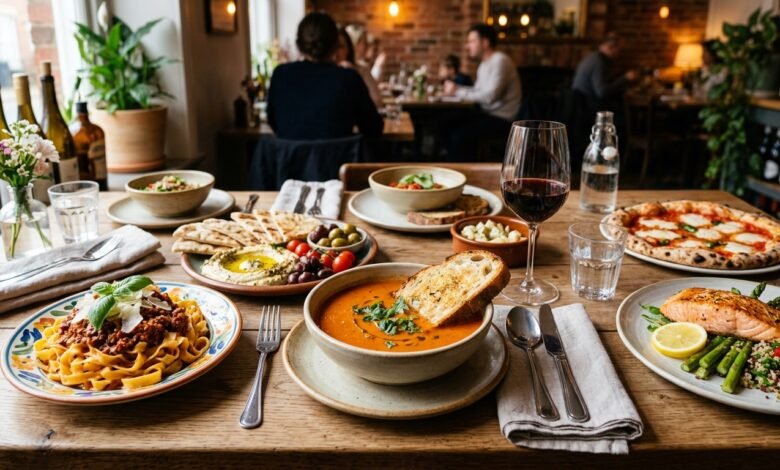
Food Images. Food has always been more than something we eat. It is connected to culture, family, celebrations, memories, and everyday life. In today’s digital world, however, food also has a visual side. Before people decide to try a recipe, visit a restaurant, order a meal, or save a cooking idea, they often look at an image first. That is why food images have become so important for bloggers, restaurants, food photographers, social media creators, and online businesses.
A good food image can make a simple dish look extraordinary. The right lighting can bring out texture, while thoughtful styling can make colors appear fresh and inviting. Even a homemade meal can look professional when photographed from the right angle.
At the same time, creating attractive food images is not simply about pointing a camera at a plate. Composition, lighting, background, props, camera settings, editing, and presentation all influence the final result. Fortunately, you do not need an expensive studio or professional equipment to get started.
Whether you are a food blogger, restaurant owner, beginner photographer, or someone who simply enjoys sharing meals online, understanding the basics of food photography can make your pictures much more appealing.
What Are Food Images?
Food images are photographs or digital visuals that show food, dishes, ingredients, recipes, drinks, or meals. They can be created for many different purposes, including websites, restaurant menus, cookbooks, social media posts, advertisements, magazines, and food blogs.
The main purpose of a food image is usually to communicate how a dish looks and create a desire to experience it. A photograph of a warm bowl of soup, for example, can communicate comfort and freshness through steam, color, and texture.
Food images can range from simple smartphone photographs to carefully produced commercial photography. A casual photograph taken at home might focus on authenticity, while a restaurant advertisement may use controlled studio lighting, professional cameras, and carefully arranged ingredients.
Today, food images are everywhere. Instagram, Pinterest, recipe websites, delivery platforms, blogs, and digital magazines all depend heavily on appealing food photography. Because people process visual information quickly, a strong image can capture attention before someone reads a single word.
Why Food Images Are So Important
Visual content has a powerful effect on how people perceive food. When a dish looks fresh, colorful, and well presented, viewers are naturally more interested in learning about it. This makes food images especially valuable for businesses and creators competing for attention online.
For food bloggers, an attractive photograph can encourage readers to click on a recipe. Someone searching for homemade pasta may scroll through dozens of results, but a beautifully photographed plate of pasta can immediately stand out.
Restaurants also depend on food images to communicate quality. Customers often look at pictures before choosing what to order. A clear and appetizing photograph can give them a better idea of portion size, ingredients, and presentation.
Food images are equally useful for social media. Platforms built around visual content reward photographs that encourage people to stop scrolling. A well-composed image can generate likes, comments, shares, saves, and website visits, especially when paired with useful or entertaining content.
How Lighting Can Transform Food Images
Lighting is one of the most important elements in food photography. Even a beautifully prepared meal can look dull when photographed under harsh or poorly positioned light.
Natural window light is one of the easiest options for beginners. Placing a plate near a large window can create soft illumination that reveals details without requiring expensive equipment. Morning and late-afternoon light can also create a pleasant atmosphere.
Direct sunlight can sometimes be too strong. It may create hard shadows, bright highlights, and uneven exposure. A thin curtain can soften the light and create a more balanced appearance.
Artificial lighting can also produce excellent food images. Professional photographers often use softboxes, reflectors, and diffusers to control the direction and intensity of light. The goal is not simply to make the food bright. Good lighting should reveal texture and make the dish look natural.
Choosing the Right Background for Food Photography
The background plays a surprisingly important role in food images. A distracting background can take attention away from the main dish, while a simple background can make the food the obvious focal point.
Wooden tables, neutral-colored surfaces, marble-style boards, ceramic plates, and textured fabrics are popular choices. The best background depends on the personality of the food and the mood you want to create.
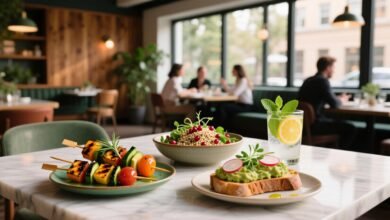
For colorful dishes, a simple background can work particularly well. For example, a vibrant salad may look more striking against a neutral surface because the vegetables become the dominant visual element.
However, background selection should not become overly complicated. You do not need dozens of photography surfaces. A few versatile backgrounds can be enough to create many different looks.
The Best Angles for Food Images
Camera angle can completely change the appearance of a dish. Three common perspectives are overhead, straight-on, and approximately 45 degrees.
The overhead angle is excellent for flat arrangements such as pizza, breakfast spreads, salads, and tables filled with several dishes. It allows viewers to see the entire composition at once.
A 45-degree angle often creates a natural perspective similar to how someone might see food while sitting at a table. This works especially well for bowls, plates, cakes, burgers, and layered dishes.
Straight-on photography can be particularly effective when height and layers matter. Cakes, sandwiches, pancakes, burgers, and drinks can look impressive from this perspective.
There is no universal “best” angle. The right choice depends on the food. Before taking multiple photographs, move around the dish and observe which perspective makes its most appealing characteristics visible.
Food Styling: Making Simple Dishes Look Better
Food styling is the process of arranging the food and surrounding elements so the photograph looks attractive and intentional. It does not necessarily mean making food look artificial. In many cases, simple styling produces the strongest results.
Fresh ingredients can add color and visual interest. A few herbs, fruit slices, spices, sauces, or crumbs can help communicate what the dish tastes like.
Texture is also important. Crispy toppings, melted cheese, creamy sauces, fresh vegetables, and crunchy ingredients can make an image more visually exciting.
At the same time, restraint matters. Adding too many props can make a photograph look crowded. The food should remain the star of the image rather than competing with decorative objects.
Composition Techniques for Better Food Images
Composition refers to how visual elements are arranged within a photograph. Strong composition guides the viewer’s attention and creates a sense of balance.
The rule of thirds is a useful starting point. Imagine your image divided into nine equal sections using two horizontal and two vertical lines. Placing the main subject near one of these intersections can create a balanced composition.
Leading lines can also guide attention. A fork, spoon, table edge, sauce trail, or arrangement of ingredients can subtly direct the viewer’s eyes toward the main dish.
Negative space is another valuable technique. Leaving some empty space around the food can make the image feel cleaner and more sophisticated. It also gives the subject room to stand out.
Most importantly, avoid arranging everything perfectly just because you think photographs need to look symmetrical. Natural-looking compositions often feel more inviting. A slightly messy table, scattered crumbs, or a partially cut ingredient can sometimes make the image feel more authentic.
Smartphone Tips for Capturing High-Quality Food Images
You do not need a professional camera to create impressive food images. Modern smartphones have capable cameras that can produce excellent results when used thoughtfully.
Start by cleaning your camera lens. It sounds obvious, but fingerprints and dust can make photographs look soft or hazy. A quick wipe with a clean microfiber cloth can make a noticeable difference.
Use natural light whenever possible. Instead of relying on the phone’s flash, place the food near a window and experiment with its position.
Avoid excessive digital zoom because it can reduce image quality. Move the phone closer to the subject when practical. Tap the screen to focus on the most important part of the dish.
Finally, take several photographs from different angles. Small changes in camera position can dramatically improve composition, so do not assume the first photograph is automatically the best one.
Camera Settings for Professional-Looking Food Images
If you are using a DSLR or mirrorless camera, learning basic manual settings can give you much greater control. Aperture, shutter speed, and ISO work together to determine exposure and visual appearance.
A wider aperture, represented by a smaller f-number, can create a shallow depth of field. This allows the main food subject to remain sharp while the background becomes softly blurred.
Shutter speed controls how long the camera sensor receives light. When photographing handheld, a sufficiently fast shutter speed can help reduce unwanted motion blur.
ISO controls the camera’s sensitivity to light. Increasing ISO can help in darker environments, but very high ISO values can introduce unwanted image noise.
You do not need to master every camera setting immediately. Start by understanding how aperture affects background blur and how shutter speed affects motion. Once these concepts become familiar, you can gradually explore more advanced techniques.
Editing Food Images Without Making Them Look Fake
Editing can improve food images, but excessive editing can make them look unnatural. The goal should usually be to enhance what is already there rather than completely transform the photograph.
Basic adjustments such as exposure, contrast, highlights, shadows, white balance, and sharpness can make a significant difference.
White balance deserves special attention. If the photograph looks unusually blue or yellow, adjusting the white balance can make the food appear more natural.
Saturation should also be handled carefully. Increasing it slightly can make colors more vibrant, but excessive saturation may make vegetables look unnatural and sauces appear strangely bright.
A good editing workflow should preserve the real appearance of the food. Viewers should feel that the photograph represents something they could actually eat.
Creating Food Images for Social Media
Social media has changed the way food photographs are created. Images now need to look good not only on large screens but also on small mobile displays.
A strong subject should be immediately recognizable. If someone has to study the image to understand what they are looking at, the photograph may not work well in a fast-scrolling environment.
Vertical photographs are particularly useful for platforms that prioritize mobile content. However, horizontal images remain valuable for websites, blog headers, and other digital formats.
Consistency can also help creators build a recognizable visual identity. Similar lighting, backgrounds, editing choices, and composition styles can make a food page feel more professional.
Captions matter too. An attractive image may catch attention, but useful information can encourage people to stay engaged. Sharing ingredients, preparation tips, stories, or serving suggestions can turn a simple photograph into valuable content.
Common Mistakes to Avoid in Food Images
One common mistake is using harsh flash directly on the food. This can create unattractive highlights and deep shadows. Softer light usually produces a more natural appearance.
Another problem is clutter. Too many plates, utensils, decorations, and ingredients can make the photograph confusing. If everything is competing for attention, the viewer may not know where to look.
Poor focus is another issue. The main part of the dish should generally be sharp unless there is a specific creative reason for using intentional blur.
Over-editing can also hurt an otherwise good photograph. Extreme filters, unrealistic colors, excessive sharpening, and heavy contrast can make food appear artificial.
Finally, photographing food after it has lost its freshness can be problematic. Some dishes look best immediately after preparation, while others need a few minutes of styling before photography. Timing can make a surprisingly large difference.
How Food Bloggers Can Use Images Effectively
For food bloggers, photography and written content should work together. A great image can attract a visitor, while useful information gives that visitor a reason to stay.
Each recipe should ideally have photographs that help readers understand the finished dish. Depending on the recipe, process photographs can also show important stages of preparation.
Images can break up long sections of text and make recipes easier to follow. They also provide opportunities for image search visibility when files are properly named and described.
Optimizing image file sizes is important for website performance. Very large images can slow page loading, which may create a poor experience for visitors.
Alt text should accurately describe the image rather than simply stuffing keywords into it. For example, a descriptive phrase such as “homemade vegetable pasta served in a white bowl” is more useful than repeatedly writing “food images.”
The Role of Food Images in Restaurant Marketing
Restaurants can benefit enormously from professional food photography. Customers want to know what their meals look like before spending money, especially when ordering online.
High-quality images can be used on restaurant websites, menus, delivery platforms, social media accounts, advertisements, and promotional campaigns.
Consistency is important for restaurants. If one dish is photographed professionally while another uses a dark smartphone image, the overall brand may feel less polished.
Food photography should also accurately represent the restaurant’s actual dishes. Images that look dramatically different from what customers receive can create disappointment and damage trust.
A strong restaurant photograph does not necessarily need elaborate styling. Often, showing fresh ingredients, appealing textures, realistic portions, and attractive presentation is enough to make customers interested.
Where to Find Inspiration for Food Images
Inspiration can come from almost anywhere. Recipe websites, cookbooks, restaurants, magazines, social platforms, markets, and even your own kitchen can provide ideas.
When studying other photographs, do not simply copy the entire composition. Instead, look at what makes the image effective. Notice the lighting direction, camera angle, color combination, background, and use of negative space.
You can also create a personal inspiration collection. Save photographs that catch your attention and later analyze why you liked them.
Experimentation is perhaps the best teacher. Photograph the same dish five different ways. Change the background, lighting, angle, plate, and composition. Comparing the results will quickly teach you what works.
Over time, you will develop your own visual style. That personal style can become more valuable than simply following whatever photography trend is currently popular.
Final Thoughts on Creating Better Food Images
Great food images do not require a massive budget, expensive equipment, or a professional studio. What matters most is understanding how light, composition, styling, color, texture, and perspective work together.
Start with what you already have. A smartphone, a window, a clean plate, and a simple table can be enough to create attractive photographs. Focus on making the food look natural, fresh, and inviting.
As your skills improve, experiment with cameras, lenses, lighting equipment, editing software, and more advanced styling techniques. Every photograph gives you an opportunity to learn something new.
Most importantly, remember that food photography is about creating an emotional connection. The best photograph does more than show a meal. It makes the viewer imagine the aroma, texture, taste, and experience of eating it.
Whether you are building a food blog, promoting a restaurant, sharing recipes, or simply documenting your favorite meals, thoughtful food images can make your content considerably more memorable and engaging.