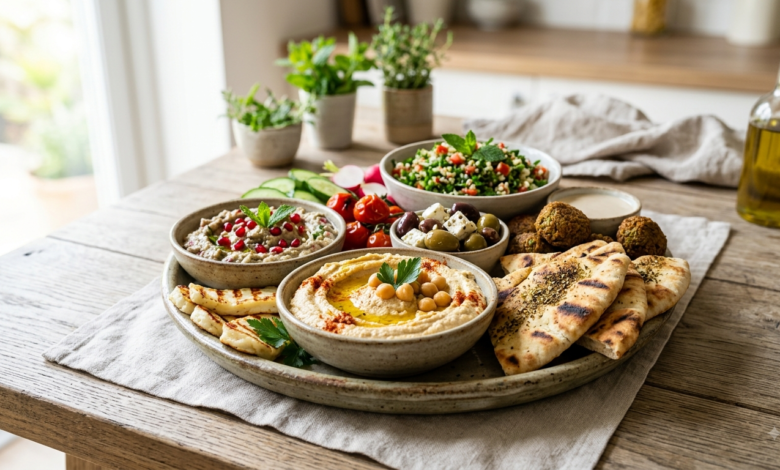
Introduction
Food is one of the most important parts of everyday life, yet it is often treated as something simple that we only think about when we are hungry. In reality, food connects people, cultures, traditions, health, memories, and even emotions. From a homemade breakfast to a meal shared with friends, what we eat can influence how we feel and how we experience our day.
Food also tells stories. Every country, region, and community has its own flavors, cooking methods, ingredients, and eating traditions. A spicy curry, a warm bowl of soup, a fresh salad, or a simple sandwich can represent much more than a meal. These dishes can reflect history, geography, family traditions, and the creativity of the people who prepare them.
In today’s busy world, understanding food has become more important than ever. People are becoming increasingly interested in nutrition, fresh ingredients, balanced meals, international cuisines, and responsible eating habits. Whether you enjoy cooking at home, trying restaurants, experimenting with new recipes, or simply learning more about nutrition, developing a better relationship with food can make everyday life more enjoyable.
What Is Food?
Food is any substance consumed by humans or other living organisms to provide energy, nutrients, and support for growth and normal body functions. It includes an enormous variety of ingredients, from fruits and vegetables to grains, dairy products, meat, seafood, legumes, nuts, and seeds. Different foods provide different combinations of nutrients, which is why variety is an important part of a balanced diet.
At its simplest level, food gives the body the fuel it needs to function. Carbohydrates can provide energy, proteins help support and repair body tissues, and fats contribute energy and help the body absorb certain vitamins. Vitamins, minerals, fiber, and water also play important roles in maintaining normal bodily functions.
However, food is much more than nutrition. People eat for enjoyment, celebration, comfort, tradition, and social connection. A birthday cake, a family dinner, or a traditional holiday dish can carry emotional meaning that goes far beyond its ingredients. This combination of nourishment and culture makes food one of the most interesting parts of human life.
The Importance of a Balanced Diet
A balanced diet means eating a wide variety of foods in appropriate amounts so the body can receive the nutrients it needs. No single food can provide everything a person requires. Instead, healthy eating generally involves combining different food groups and choosing a variety of ingredients throughout the day.
Fruits and vegetables are valuable sources of vitamins, minerals, fiber, and other naturally occurring compounds. Whole grains can provide carbohydrates and fiber, while foods such as beans, lentils, eggs, fish, meat, dairy products, nuts, and seeds can contribute protein and other nutrients. The right combination can make meals both satisfying and nutritious.
Balance does not mean that every meal has to be perfect. Food choices can vary from day to day, and enjoying occasional treats is a normal part of eating. A practical approach is to focus on overall eating habits rather than feeling pressured to make every individual meal flawless. This makes healthy eating more realistic and sustainable.
The Role of Fresh Ingredients
Fresh ingredients can make a noticeable difference in the flavor, texture, and overall quality of a meal. A ripe tomato, crisp vegetable, fragrant herb, or freshly prepared piece of fruit can bring natural flavor to a dish without requiring complicated preparation. Fresh ingredients can also encourage people to cook more often and experiment with different meals.
Seasonal ingredients are particularly interesting because they can introduce variety throughout the year. When certain fruits and vegetables are naturally available, they can inspire new recipes and different cooking styles. Eating seasonally can also help people discover ingredients they might otherwise overlook.
That does not mean packaged or frozen foods are automatically bad choices. Many convenient foods can be useful, especially for people with busy schedules. The key is understanding what you are buying and building meals that include a sensible mix of ingredients. Convenience and nutritious eating do not have to be opposites.
Why Cooking at Home Matters
Cooking at home gives people greater control over what goes into their meals. You can select the ingredients, adjust seasonings, choose cooking methods, and control portion sizes according to your preferences. Even simple home cooking can help develop a better understanding of how different ingredients work together.
Another advantage is creativity. Cooking does not always require following a complicated recipe exactly. Once you understand basic techniques, you can experiment with herbs, spices, sauces, vegetables, grains, and proteins. A few familiar ingredients can often be transformed into several different meals.
Home cooking can also become a social activity. Families can prepare meals together, friends can cook for one another, and individuals can use cooking as a relaxing way to spend time away from screens and daily responsibilities. The finished meal becomes more meaningful when it is connected to the experience of preparing it.
Food and Culture
Food is deeply connected to culture. Traditional recipes are often passed from one generation to another, preserving flavors and cooking methods that might otherwise disappear. In many families, recipes are not written down at all; instead, they are learned by watching parents, grandparents, or other relatives cook.
Different regions develop distinctive cuisines because of their local ingredients, climate, history, and cultural influences. Some cuisines emphasize fresh herbs and vegetables, while others are known for grains, spices, seafood, grilled foods, fermented ingredients, or slow-cooked dishes. Exploring these differences can provide a fascinating introduction to other cultures.
Food can also bring people together despite cultural differences. Sharing a meal creates an opportunity to communicate, learn, and appreciate traditions that may be unfamiliar. Trying a new dish can be a small but enjoyable way to become more curious about the world.
The Connection Between Food and Memories
Certain foods can instantly bring back memories. The smell of freshly baked bread might remind someone of childhood, while a particular soup may be associated with family gatherings. These emotional connections are one reason food can feel so personal.
Memories connected to food often involve people and experiences rather than the dish itself. A simple meal prepared by someone we love can remain memorable for years. Similarly, foods associated with celebrations can become symbols of important moments in life.
This is why traditional family recipes can be especially valuable. Keeping those recipes alive allows people to preserve a small piece of their personal history. Even when ingredients or cooking equipment change, the basic flavors and traditions can continue from one generation to the next.
Exploring Different Types of Food
There are countless types of food to explore, and each category offers something different. Fruits and vegetables provide freshness and variety, grains form the foundation of many traditional diets, and legumes offer versatile options for meals. Dairy products, eggs, seafood, meat, nuts, and seeds add even more possibilities.
International cuisine makes the food world even larger. Italian pasta, Japanese rice dishes, Mexican tacos, Indian curries, Middle Eastern grilled foods, Thai noodle dishes, and countless other cuisines demonstrate how similar basic ingredients can be transformed into completely different meals.
Exploring food does not always mean visiting expensive restaurants. You can try a new ingredient from a local market, cook a recipe from another country, or ask someone about a traditional dish from their culture. Small experiments can make everyday eating much more interesting.
Food and Modern Lifestyle
Modern lifestyles have changed the way people eat. Busy schedules, long working hours, online food delivery, convenience stores, and ready-to-eat products have made meals easier to access than ever. At the same time, these conveniences can sometimes encourage people to eat quickly without paying much attention to what they are consuming.
Technology has also changed how people discover food. Recipes, cooking videos, restaurant reviews, and food communities are available within seconds. This has made culinary knowledge more accessible and has encouraged many people to try cooking dishes they might never have encountered otherwise.
The challenge is finding a practical balance. Convenience can be useful, but taking time to understand ingredients, prepare simple meals, and eat mindfully can improve the overall food experience. Healthy habits do not have to be complicated or expensive to be valuable.
The Importance of Food Safety
Food safety is an essential part of preparing and enjoying meals. Proper storage, cooking, cleaning, and handling practices can reduce the risk of foodborne illness. Simple habits such as washing hands before preparing food, keeping raw and cooked foods separate, and storing perishable ingredients appropriately can make a meaningful difference.
Temperature is another important consideration. Certain foods need to be cooked thoroughly, while perishable ingredients should not be left at unsafe temperatures for extended periods. Following reliable food-safety guidance is especially important when preparing meals for children, older adults, or people with weakened immune systems.
Food safety also applies when eating outside the home. Choosing reputable establishments, paying attention to cleanliness, and handling leftovers properly can help make dining experiences safer. Good food should be enjoyable, but it should also be prepared and stored responsibly.
Food Trends and Changing Preferences
Food trends constantly evolve. New diets, cooking techniques, ingredients, restaurant concepts, and presentation styles appear regularly. Social media has accelerated these trends, allowing a dish that becomes popular in one part of the world to gain attention internationally within a short time.
Some trends focus on health and nutrition, while others are primarily about creativity and entertainment. People may become interested in plant-based meals, high-protein dishes, fermented foods, specialty coffee, international flavors, or innovative cooking methods. Trends can encourage people to discover new foods, although not every trend is necessarily suitable for everyone.
The best approach is to remain curious without following every trend blindly. Food choices should fit individual needs, preferences, budgets, and lifestyles. A popular food trend can be fun to try, but long-term eating habits are usually more important than temporary online popularity.
Making Food More Enjoyable
Enjoying food is not only about taste. Presentation, texture, aroma, temperature, atmosphere, and company can all influence the eating experience. Even an inexpensive homemade meal can feel special when it is served thoughtfully and enjoyed without unnecessary distractions.
Trying different seasonings is one simple way to improve meals. Fresh herbs, spices, citrus, garlic, ginger, and other flavorful ingredients can completely change the character of a dish. Learning how flavors complement each other can turn basic ingredients into something much more satisfying.
Mindful eating can also make meals more enjoyable. Instead of rushing through food while working or scrolling on a phone, taking a few minutes to notice the flavor, texture, and aroma can help people appreciate what they are eating. Food deserves attention because it is such an important part of daily life.
Sustainable Food Choices
The way food is produced and consumed can affect the environment. Agriculture requires land, water, energy, and other resources, while food transportation, packaging, and waste also have environmental consequences. This has led many people to think more carefully about where their food comes from.
Reducing food waste is one practical step. Planning meals, storing ingredients properly, using leftovers creatively, and buying realistic quantities can help prevent edible food from being thrown away. Small changes can add up when practiced consistently.
Sustainability does not require perfection. People have different budgets, access to food, cultures, and circumstances. A realistic goal is to make practical improvements whenever possible, such as wasting less, using ingredients efficiently, and learning more about responsible food choices.
Conclusion
Food is much more than something we consume when we are hungry. It provides nourishment, creates memories, connects cultures, supports social relationships, and gives people endless opportunities to explore new flavors. From a simple home-cooked meal to an elaborate traditional celebration, food has the power to make ordinary moments meaningful.
Understanding food can also encourage better everyday choices. Learning about balanced eating, fresh ingredients, cooking techniques, food safety, and responsible consumption allows people to approach meals with greater confidence. The goal does not have to be perfection. It can simply be about becoming more informed and finding an enjoyable balance.
Ultimately, the best relationship with food is one that combines nourishment with enjoyment. Try new ingredients, appreciate traditional dishes, cook when you can, share meals with people you care about, and stay curious about where your food comes from. There is always something new to discover, and that is what makes food such a fascinating part of life.