Lifestyle Magazines: A Complete Guide to Trends, Culture, Fashion, Wellness, and Modern Living

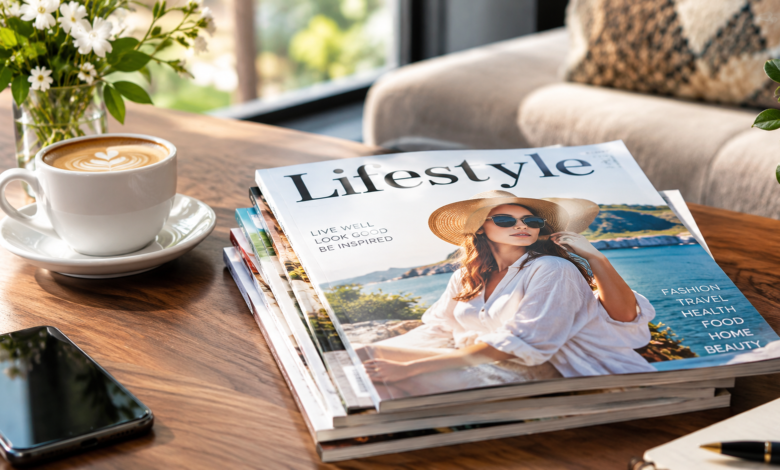
Introduction to Lifestyle Magazines
Lifestyle magazines have remained an important part of modern media because they offer readers inspiration, practical advice, and fresh perspectives on everyday life. From fashion and beauty to home decoration, travel, food, relationships, and personal wellness, these publications cover subjects that influence how people live. They help readers discover new interests, understand changing trends, and find ideas they can incorporate into their daily routines.
Unlike publications that focus exclusively on politics, business, or technology, lifestyle magazines explore the personal side of the world around us. They connect broader cultural developments with individual choices, whether that means choosing a healthier breakfast, updating a wardrobe, planning a weekend getaway, or redesigning a living room. This wide range of topics makes them appealing to people with different interests, backgrounds, and lifestyles.
The popularity of lifestyle magazines also comes from their ability to combine information with visual storytelling. Beautiful photography, engaging interviews, practical guides, and thoughtfully designed layouts make their content enjoyable to explore. Readers can learn something useful while discovering new products, places, personalities, and ideas.
Today, lifestyle publishing extends far beyond traditional printed pages. Digital magazines, online editorial websites, newsletters, social media platforms, and mobile applications allow readers to access lifestyle content whenever they want. This shift has created new opportunities for publishers while changing how audiences discover and consume information.
Understanding lifestyle magazines means looking at more than their covers or popular articles. It involves exploring their history, major categories, digital transformation, editorial standards, and influence on consumer behavior. Whether you are a regular reader, an aspiring publisher, or a blogger researching this industry, lifestyle magazines offer an interesting look at the relationship between media and everyday living.
What Are Lifestyle Magazines?
Lifestyle magazines are publications that focus on interests, habits, preferences, and experiences connected to everyday life. Their content generally helps readers improve their routines, express their personalities, explore their surroundings, and make informed decisions. Depending on the publication, the emphasis might fall on fashion, family life, travel, health, interior design, entertainment, or a combination of these subjects.
One defining feature of lifestyle magazines is their audience-centered approach. Rather than simply reporting what happened, they often explain why a trend matters and how readers can apply relevant ideas. For example, an article about minimalist interiors might explain the principles behind the style, suggest affordable decorating techniques, and show how to organize a small apartment without sacrificing comfort.
Lifestyle magazines also use a distinctive editorial style. Their articles frequently combine expert commentary, personal experiences, interviews, recommendations, and visual examples. This approach makes complicated subjects more approachable while helping readers imagine how particular ideas might work in their own lives.
Another important characteristic is their emphasis on presentation. Photography, typography, colors, illustrations, and page layouts help communicate a publication’s personality. A luxury lifestyle magazine may use elegant photography and sophisticated design, while a family-oriented publication may favor warmer visuals, accessible language, and practical examples.
Some lifestyle magazines target broad audiences, while others serve specific communities. A general publication might cover fashion, recipes, travel, and celebrity interviews in one issue. A specialized magazine could focus entirely on sustainable living, outdoor adventures, parenting, or contemporary interior design.
Ultimately, lifestyle magazines help readers explore the many dimensions of personal living. Their strongest content combines inspiration with genuine usefulness, giving audiences reasons to return beyond attractive pictures or passing trends.
The History and Evolution of Lifestyle Magazines
The development of lifestyle magazines reflects changing social values, technological progress, and the growth of consumer culture. Early magazines often combined literary writing, social commentary, practical information, and illustrations. As printing became more accessible, publishers gained opportunities to reach larger audiences with content tailored to particular interests.
During the nineteenth and early twentieth centuries, magazines increasingly addressed subjects such as domestic life, clothing, cooking, etiquette, and family management. These publications offered guidance on everyday activities while also communicating ideas about social status, taste, and acceptable behavior. Their content frequently reflected the expectations and limitations of the societies in which they circulated.
The twentieth century brought substantial changes to lifestyle publishing. Improvements in color printing and photography made magazines more visually attractive, while rising literacy and household purchasing power expanded their potential readership. Fashion photography, celebrity profiles, travel features, and home-design articles became recognizable parts of the magazine experience.
Television and popular entertainment later influenced the subjects magazines covered. Readers became increasingly interested in famous personalities, film stars, musicians, designers, and public figures. Lifestyle publications responded with interviews, behind-the-scenes stories, beauty advice, and features exploring how recognizable personalities lived.
The arrival of the internet transformed the industry again. Readers no longer needed to wait for a monthly issue to discover a new recipe, fashion trend, or travel recommendation. Publishers began developing websites, publishing daily articles, and distributing content through search engines, email newsletters, and social media.
Today, lifestyle magazines operate in a media environment where print, websites, video, podcasts, and social platforms often support one another. Their central purpose remains recognizable, but the way they reach readers continues to evolve. Successful publishers combine established editorial strengths with new ways of presenting information and building relationships with audiences.
Popular Types of Lifestyle Magazines
Lifestyle magazines cover an extensive range of interests, making it easier for readers to find publications that reflect their needs and personalities. Some focus on a single subject, while others combine several related themes to create a broader reading experience. Understanding these categories helps readers identify publications that offer the most relevant information.
Fashion and Beauty Magazines
Fashion and beauty magazines explore clothing, personal style, skincare, makeup, accessories, and the designers shaping current trends. They introduce readers to seasonal collections, styling techniques, product launches, and ideas for creating distinctive looks. Some focus on luxury fashion, while others emphasize affordable clothing and accessible beauty routines.
These publications often feature interviews with designers, models, makeup artists, photographers, and beauty professionals. Such conversations can reveal the creative thinking behind particular trends and explain how the fashion industry operates. Readers may also find outfit inspiration, product comparisons, grooming advice, and guides for dressing appropriately for different occasions.
Modern fashion magazines increasingly discuss sustainability, body diversity, ethical manufacturing, and the environmental effects of clothing production. These topics broaden the conversation beyond appearance and encourage readers to think more carefully about their purchasing decisions.
Health and Wellness Magazines
Health and wellness magazines cover physical activity, nutrition, sleep, stress management, mindfulness, and healthy everyday habits. Their purpose is often to make general wellness information easier to understand and apply. Readers may find exercise routines, meal-planning suggestions, relaxation techniques, and interviews with qualified professionals.
Responsible publications distinguish evidence-based information from unsupported claims. They avoid presenting ordinary lifestyle tips as guaranteed medical treatments and encourage readers to consult appropriate healthcare professionals when dealing with medical concerns.
Wellness magazines also explore the connection between everyday routines and overall quality of life. Topics such as maintaining work-life balance, developing consistent sleep habits, and making time for recreation can appeal to readers who want practical improvements rather than unrealistic promises.
Home and Interior Design Magazines
Home and interior design magazines help readers create comfortable, attractive, and functional living spaces. Their content may include decorating ideas, furniture guides, renovation projects, color combinations, storage solutions, and tours of distinctive homes. These features can inspire both homeowners and people living in rented apartments.
Some publications focus on high-end architecture and designer interiors, while others specialize in affordable improvements. A useful article might explain how lighting changes the appearance of a room, how to organize a compact kitchen, or how to refresh a bedroom without replacing expensive furniture.
Sustainable design has also become an important subject. Readers may discover ways to reuse existing furniture, select durable materials, reduce household waste, and improve energy efficiency. These ideas demonstrate that attractive interiors do not always require large budgets or constant purchases.
Travel and Adventure Magazines
Travel lifestyle magazines introduce readers to destinations, local traditions, regional food, accommodation options, outdoor activities, and cultural experiences. Their articles can inspire future trips while providing information that helps travelers make better decisions.
A well-researched travel feature goes beyond listing popular attractions. It might explain the best way to experience a neighborhood, discuss local customs, identify transportation options, and highlight lesser-known places worth exploring. Personal narratives and photography can make destinations feel more accessible to readers who have never visited them.
Responsible travel coverage also considers environmental protection, cultural respect, accessibility, and the effects of tourism on local communities. These perspectives help readers approach travel as an opportunity for meaningful experiences rather than simply collecting photographs.
Food and Cooking Magazines
Food magazines combine recipes, culinary techniques, restaurant coverage, ingredient guides, and stories about food traditions. Their content appeals to experienced cooks and beginners who want to prepare better meals at home.
Recipes are particularly valuable when they include clear instructions, realistic preparation times, ingredient substitutions, and useful cooking tips. Readers appreciate knowing why a technique works instead of receiving a list of steps without explanation.
Food publications also explore the cultural and social dimensions of eating. Articles may examine regional cuisines, family traditions, seasonal ingredients, restaurant trends, and the people behind popular dishes. This combination of practical guidance and storytelling makes food an enduring lifestyle subject.
Family and Relationships Magazines
Family and relationships magazines examine parenting, communication, household organization, friendships, partnerships, and changing family dynamics. They may offer practical advice, expert interviews, personal stories, and suggestions for managing common challenges.
Useful coverage recognizes that families differ in their circumstances, values, resources, and responsibilities. Rather than suggesting that one approach works for everyone, responsible articles explain different perspectives and encourage thoughtful decisions.
These publications can also address modern challenges, including digital boundaries, balancing professional responsibilities with family time, and maintaining relationships across generations. Their best content offers realistic support without judging readers for having different experiences.
Why Lifestyle Magazines Remain Popular
Lifestyle magazines continue to attract audiences because people regularly look for ideas that improve their everyday experiences. A reader might open a magazine for a fashion feature and discover a travel article, a simple recipe, or advice about organizing a home. This variety creates opportunities for readers to explore subjects they might not have searched for independently.
Another reason for their appeal is convenience. A thoughtfully written article can simplify a decision by collecting useful information in one place. Instead of searching through countless unrelated posts, readers can consult a guide that explains the essentials, identifies relevant considerations, and offers practical examples.
Visual storytelling also contributes to their popularity. Strong photography can introduce a destination, demonstrate a decorating technique, or show how an outfit works in practice. Images create an immediate impression, while accompanying text provides the context needed to understand the subject.
Lifestyle magazines can also help readers discover unfamiliar perspectives. Interviews with artists, designers, chefs, travelers, and entrepreneurs reveal experiences that differ from their own. These stories may inspire new hobbies, encourage creative thinking, or introduce readers to communities they had not previously considered.
Trust is another important factor. Readers often return to publications that consistently deliver accurate information, transparent recommendations, and useful editorial content. When a magazine develops a recognizable voice and maintains dependable standards, it can build a lasting relationship with its audience.
Finally, lifestyle magazines offer a form of entertainment that can also be informative. Readers can enjoy a beautifully presented feature while learning something practical. That combination of inspiration, education, and enjoyment explains why lifestyle publishing continues to find an audience despite major changes in media consumption.
Print vs. Digital Lifestyle Magazines
Print and digital lifestyle magazines share many editorial goals, but they deliver their content in different ways. Print publications provide a physical reading experience that many people enjoy because it feels focused and intentional. Readers can turn pages, appreciate photography, save favorite issues, and revisit articles without opening a screen.
Printed magazines also offer a distinct visual presentation. High-quality paper, carefully selected fonts, and professional photography can make an issue feel like a collectible product. Luxury fashion, architecture, and design publications often benefit from this tactile experience because the presentation itself contributes to their appeal.
Digital lifestyle magazines offer greater convenience and flexibility. Readers can access articles through smartphones, tablets, and computers without waiting for a physical issue. Publishers can update information quickly, add video demonstrations, link to additional resources, and publish breaking trend coverage throughout the day.
Another advantage of digital publishing is discoverability. Search engines allow readers to find specific information through questions such as how to organize a small bedroom or what to pack for a weekend trip. This makes individual articles useful entry points for people who have never visited the publication’s homepage.
Digital magazines can also build stronger relationships with their audiences through newsletters, comments, social media, and personalized recommendations. Publishers can analyze general engagement patterns to understand which topics attract attention and where readers may need clearer information.
Neither format is automatically better for every audience. Print works well for immersive reading, collecting, and premium visual presentation, while digital publishing offers speed, accessibility, and interactive possibilities. Many successful lifestyle publishers use both formats to reach different readers and create a more flexible media experience.
How Lifestyle Magazines Influence Fashion, Culture, and Consumer Choices
Lifestyle magazines have long helped introduce trends and influence public conversations about personal style, home design, travel, food, and entertainment. Their editorial decisions affect which ideas receive attention and how readers understand emerging cultural movements. A feature about a new clothing trend, for instance, can introduce a designer to a wider audience.
Fashion coverage illustrates this influence particularly well. Magazine editors, photographers, stylists, and writers select looks that represent particular moments in culture. Their choices can encourage readers to experiment with colors, silhouettes, accessories, and personal expression. However, readers ultimately decide which ideas suit their tastes, budgets, and lifestyles.
Lifestyle magazines can also shape purchasing decisions by introducing products and explaining their potential benefits. A home-design feature might highlight a particular furniture style, while a beauty article could compare different approaches to skincare. Readers may use these features to research options before spending money.
However, editorial recommendations and advertising are not the same thing. Sponsored content, affiliate links, and paid product placements can create financial incentives for publishers. Trustworthy magazines clearly disclose commercial relationships and maintain appropriate distinctions between advertising and independent editorial judgment.
Cultural influence extends beyond shopping. Lifestyle publications can introduce conversations about sustainability, representation, mental well-being, responsible travel, and changing family expectations. By featuring diverse experiences and knowledgeable contributors, they can help readers understand subjects that influence modern society.
Their influence also comes with responsibilities. Unrealistic beauty standards, excessive consumerism, and carefully staged portrayals of wealth can create misleading expectations. Responsible publishers recognize these risks and aim to present a balanced picture of everyday life, including practical limitations, different budgets, and experiences that do not fit a single ideal.
How to Choose the Best Lifestyle Magazine
Choosing a lifestyle magazine becomes easier when you understand what you want from your reading experience. Some readers want entertainment and inspiration, while others need practical advice about health, cooking, fashion, or home improvement. Identifying your main interests helps narrow the available choices.
Start by examining the publication’s subject coverage. If you enjoy several topics, a general lifestyle magazine may provide better value than a publication focused on just one area. On the other hand, readers seeking detailed information about architecture, fitness, or sustainable living may prefer a specialized title.
Next, consider the publication’s credibility. Look for clear editorial policies, qualified contributors when appropriate, transparent sourcing, and corrections when mistakes occur. Health-related articles deserve particular scrutiny because unsupported advice can affect important personal decisions.
The writing style matters, too. Some magazines use formal language and detailed analysis, while others favor conversational articles, short guides, and visual storytelling. A publication that matches your preferred reading style is more likely to become a regular part of your routine.
Budget and accessibility should also influence your choice. Free digital articles, email newsletters, library subscriptions, and affordable print editions provide different ways to explore lifestyle content. Before purchasing a subscription, review sample articles to determine whether the publication consistently offers material you genuinely enjoy.
Finally, evaluate the overall experience rather than judging a magazine by its cover. Read several articles, explore its website, and notice whether the recommendations are practical, inclusive, and well researched. The best lifestyle magazine for you is the one that consistently delivers useful information, fresh ideas, and an enjoyable reading experience.
The Role of SEO and Content Marketing in Digital Lifestyle Magazines
Search engine optimization, commonly known as SEO, plays an important role in helping digital lifestyle magazines reach new readers. Even excellent articles may struggle to attract an audience if people cannot discover them through search engines or other distribution channels. A clear content strategy helps publishers connect useful information with the questions readers actually ask.
Keyword research is one part of this process. Editors can investigate the subjects their audiences search for, including seasonal fashion trends, easy dinner recipes, affordable decorating ideas, and travel planning advice. These insights help publishers develop relevant articles without sacrificing originality or editorial quality.
Search intent matters just as much as keyword selection. Someone searching for minimalist bedroom ideas probably wants visual inspiration and practical decorating suggestions. A reader searching for the best travel backpack may expect a comparison of features, prices, comfort, and durability. Matching the article to that expectation creates a more useful experience.
On-page SEO includes writing descriptive titles, organizing content with meaningful headings, creating readable URLs, and using relevant internal links. Image descriptions, mobile-friendly layouts, and fast-loading pages can also improve accessibility and usability. These elements help readers navigate an article while supporting search engines in understanding its subject.
Content marketing extends beyond organic search. Lifestyle publishers can distribute their work through newsletters, social media, partnerships, and carefully selected video platforms. A single well-researched article might become a short video, a newsletter feature, or a series of social posts, provided each version adds value rather than merely repeating the same material.
Long-term success depends on quality and consistency. Publishers should prioritize accurate information, original perspectives, helpful examples, and regular content maintenance. SEO can bring people to a website, but trustworthy reporting and a satisfying reading experience give them a reason to return.
The Future of Lifestyle Magazines
The future of lifestyle magazines will likely involve an even closer relationship between traditional editorial work and digital technology. Readers increasingly expect content that is accessible across devices, easy to navigate, and relevant to their interests. Publishers must respond to these expectations without losing the editorial identity that makes their work distinctive.
Personalization is one important development. Digital platforms can recommend articles based on a reader’s selected interests or previous engagement. Someone who regularly reads about interior design might receive more decorating features, while another reader might prefer travel, food, or fitness content. Responsible personalization should still allow readers to discover unfamiliar subjects.
Video and interactive storytelling will continue to create opportunities for lifestyle publishers. A written cooking guide can be supported by a demonstration, while a home-design article might include an interactive room planner. Travel features can combine photography, maps, interviews, and practical itineraries to provide a richer experience.
Sustainability may also become more prominent across lifestyle coverage. Readers are increasingly interested in product longevity, responsible consumption, environmental impact, and ethical production. Magazines can respond by examining these issues carefully instead of treating sustainability as a decorative marketing phrase.
Trust will remain essential as artificial intelligence and automated publishing tools become more widespread. Technology can help editors organize research, develop content ideas, and improve workflows, but it does not replace careful verification, original reporting, expert judgment, or responsible editing. Publications that prioritize accuracy and transparency will be better positioned to maintain credibility.
Another opportunity lies in serving specific communities. Rather than trying to appeal to everyone, smaller lifestyle publications can build loyal audiences around local culture, particular hobbies, regional food, sustainable homes, or specialized travel interests. A focused editorial identity can help a publication stand out in a crowded market.
Conclusion: Why Lifestyle Magazines Still Matter
Lifestyle magazines continue to play a meaningful role in how people discover ideas, understand trends, and make everyday decisions. Their combination of practical guidance, creative storytelling, interviews, and visual inspiration makes them relevant to readers with widely different interests. Whether the subject is fashion, wellness, travel, food, or interior design, a strong publication offers more than attractive images.
The industry has changed significantly with the growth of websites, smartphones, social media, and digital subscriptions. Nevertheless, the essential appeal remains familiar: readers want reliable information presented in an engaging and accessible way. Modern publishers can meet that demand through print, digital articles, multimedia features, and direct communication with their audiences.
For readers, choosing a lifestyle magazine is an opportunity to explore subjects they enjoy while learning something useful. For publishers and bloggers, the category offers opportunities to develop distinctive content, build communities, and provide practical value in a competitive media environment.
Ultimately, the best lifestyle magazines balance inspiration with substance. They introduce fresh ideas without presenting every trend as a necessity, and they offer recommendations without forgetting that readers have different circumstances and budgets. That thoughtful balance is what allows lifestyle magazines to remain valuable in a constantly changing world.


