Farm Animals: Types, Characteristics, Benefits, and Their Importance in Agriculture

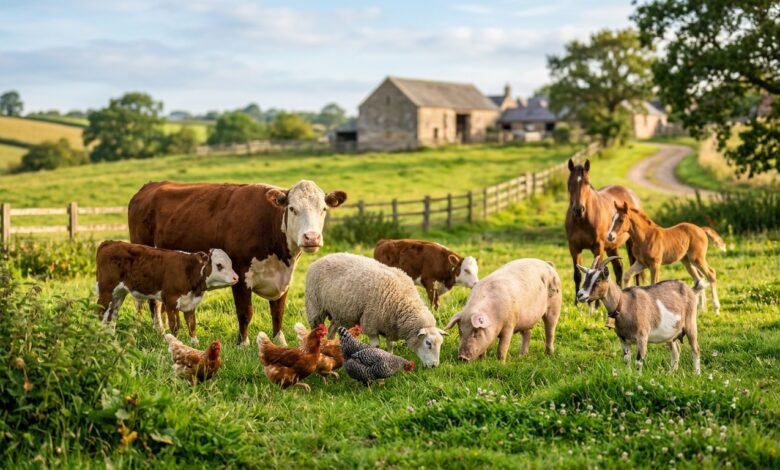
Farm Animals have played an essential role in human life for thousands of years. From providing fresh milk and eggs to supplying meat, wool, leather, and help with agricultural work, these animals contribute to food production and rural livelihoods worldwide. Whether you visit a small family farm or a large commercial agricultural operation, you will likely find several types of animals serving different purposes.
Understanding Farm Animals is important for farmers, students, animal lovers, and anyone interested in agriculture. Each animal has unique characteristics, feeding habits, housing requirements, and care needs. For example, cows are widely raised for milk and meat, chickens provide eggs, and sheep are valued for their wool and meat. Horses, donkeys, and other working animals can also help with transportation and farm activities in some regions.
However, raising Farm Animals involves more than simply providing food and shelter. Responsible animal care requires suitable living conditions, clean water, proper nutrition, regular health checks, and protection from extreme weather. Farmers must also understand animal behavior and follow appropriate welfare practices to maintain healthy herds and flocks.
In this comprehensive guide, you will discover the most common Farm Animals, their characteristics, their uses, and the important role they play in agriculture. You will also learn about animal care, feeding practices, farm management, and the benefits of raising livestock responsibly.
1. What Are Farm Animals?
Farm Animals are domesticated or managed animals that people raise on farms for agricultural, commercial, or household purposes. They may provide food, clothing materials, manure, transportation, or other useful products and services. Some are raised primarily for meat, while others are kept for milk, eggs, fiber, or breeding.
The term Farm Animals includes several groups, such as cattle, goats, sheep, pigs, chickens, ducks, turkeys, and horses. Depending on the region and farming system, it may also include buffaloes, camels, rabbits, geese, and other animals. The species found on a farm usually depend on the local climate, available land, market demand, and the farmer’s goals.
Many Farm Animals have been domesticated over generations. Domestication has allowed people to manage breeding, feeding, and housing to suit agricultural needs. Nevertheless, domesticated animals retain natural behaviors and physical needs. Chickens still scratch the ground, pigs benefit from opportunities to root and explore, and cattle need comfortable places to rest and adequate space to move.
Farm Animals can be raised using different production systems. Small family farms may keep only a few animals, allowing household members to collect eggs, obtain milk, or produce manure for gardens. Larger farms may specialize in dairy production, poultry, beef cattle, or another agricultural activity. Some farms combine several species to make better use of their land and resources.
The distinction between livestock and other Farm Animals can vary according to context. Livestock generally refers to animals raised for agricultural production, particularly cattle, sheep, goats, and pigs. Farm animals is a broader everyday expression that can include working animals and animals kept for educational, conservation, or companion purposes on agricultural properties.
Ultimately, Farm Animals are an important part of agricultural systems because they convert feed, pasture, and other suitable resources into useful products. Their contribution depends on responsible management, appropriate nutrition, animal health, and the environmental conditions in which they live.
2. Cows: Important Animals on Farms
Cows are among the most recognizable Farm Animals in the world. They belong to the cattle species and are raised for several agricultural purposes, particularly milk and meat production. Their importance varies by region, with dairy cattle being especially common in areas with established milk markets and beef cattle raised extensively in other farming systems.
Dairy cows produce milk that can be consumed directly after appropriate processing or used to make products such as cheese, yogurt, butter, and cream. Common dairy breeds include Holstein Friesians, Jerseys, and Brown Swiss cattle. These breeds differ in size, milk yield, milk composition, and adaptability to particular climates and management systems.
Beef cattle are raised mainly for meat. Breeds such as Angus, Hereford, and Charolais are known for their use in beef production, although many other breeds are important around the world. Farm Animals select cattle based on factors such as growth, health, reproductive performance, feed efficiency, and suitability for local conditions.
Cattle are herbivorous ruminants. Their digestive systems contain a specialized stomach compartment called the rumen, where microorganisms help break down fibrous plant material. This allows cattle to obtain nutrients from grass and other forages that humans cannot digest in the same way. A balanced cattle diet may include pasture, hay, silage, suitable concentrates, minerals, and plenty of clean water.
Proper housing and daily care are essential for cattle health. Dairy cows need comfortable resting areas, good ventilation, clean milking facilities, and careful udder hygiene. Beef cattle also require suitable shelter, reliable access to water, adequate feeding areas, and enough space to move without unnecessary competition or injury.
Cows contribute to Farm Animals economies through milk, meat, breeding animals, and manure. Their manure can provide nutrients for crops when stored and applied correctly. However, cattle farming also presents environmental challenges, including methane emissions, land use, and manure management. Farmers can reduce some impacts through improved feeding, pasture management, manure handling, and efficient use of resources.
3. Goats: Adaptable and Useful Farm Animals
Goats are valued Farm Animals because they can thrive in many different environments when their basic needs are met. They are raised for milk, meat, fiber, breeding, and, in some farming systems, vegetation management. Their relatively manageable size makes them suitable for small farms as well as larger livestock operations.
Dairy goats produce milk that can be consumed or processed into cheese, yogurt, and other products. Popular dairy breeds include Saanen, Alpine, and Toggenburg goats. Goat milk composition varies by breed, individual animal, diet, and stage of lactation. Some people prefer its flavor or find certain goat milk products easier to tolerate, but goat milk is not suitable for everyone and is not a safe substitute for specialized infant formula.
Meat goats are important in many parts of Africa, Asia, the Middle East, and other regions. Boer goats are a well-known meat breed, while local breeds often provide valuable adaptation to heat, limited forage, and regional diseases. Farmers commonly choose animals based on growth, fertility, hardiness, and the availability of suitable feed.
Goats are curious browsers rather than simple grass grazers. They often eat leaves, shrubs, vines, and other vegetation alongside grasses and cultivated forage. Although goats may consume a wide variety of plants, they still require balanced nutrition. Some plants are poisonous, so farmers must understand local vegetation and prevent animals from accessing hazardous species.
Good goat housing should be dry, well ventilated, secure, and protected from severe weather. Goats need clean water, appropriate mineral supplementation, suitable fencing, and enough room to move and socialize. Because they are skilled climbers and can squeeze through surprisingly small gaps, fencing should be designed specifically for goats.
Goat farming can provide income through milk, meat, fiber, and the sale of breeding animals. Their manure can also benefit agricultural soil when handled properly. However, goats are not maintenance-free animals. Parasites, hoof problems, nutritional deficiencies, and reproductive complications can affect productivity, making preventive care and veterinary guidance important.
4. Sheep: Sources of Wool, Meat, and Milk
Sheep are domesticated ruminants that have supported farming communities for centuries. They are raised primarily for wool, meat, skins, and, in some regions, milk. Their ability to graze on suitable grasslands makes them useful in farming systems where other crops may be less practical.
Wool is one of the best-known products obtained from sheep. Merino sheep are especially famous for producing fine wool used in clothing, knitwear, and other textiles. Other breeds produce medium or coarse wool suited to carpets, upholstery, and different textile applications. Wool quality depends on breed, genetics, nutrition, health, and the conditions in which sheep are raised.
Sheep also provide meat, commonly called lamb when obtained from younger animals and mutton when it comes from older sheep, although commercial definitions vary by country. Meat breeds and dual-purpose breeds are selected according to growth, carcass characteristics, reproductive performance, and suitability for local climates. Sheep meat is an important food in many cultures and traditional cuisines.
Some sheep breeds are raised for milk. Sheep milk can be processed into distinctive cheeses, yogurt, and other dairy products. It generally contains more fat and protein than cow milk, although the exact composition varies. Dairy sheep require appropriate feeding and milking management to maintain health and production.
Sheep usually benefit from grazing systems that provide adequate forage and protection from predators. Farmers must monitor pasture quality, provide clean water, and offer additional feed when grass alone does not meet nutritional needs. Shelter requirements depend on climate, breed, lambing conditions, and the availability of natural protection.
Routine care includes monitoring body condition, checking hooves, controlling parasites, and arranging appropriate vaccinations and veterinary assessments. Sheep can develop problems such as internal parasite infections, foot disease, and nutritional deficiencies. Lambs need particular attention during birth and early life because cold weather, inadequate colostrum intake, and infection can quickly become serious concerns.
Sheep farming can support rural economies while helping maintain some grassland landscapes. However, excessive grazing can damage vegetation and soil. Careful stocking rates, pasture rotation, and suitable land management help maintain productive grazing areas while reducing erosion and protecting biodiversity.
5. Chickens: Essential Poultry Farm Animals
Chickens are among the most widely raised Farm Animals because they provide eggs and meat and can be kept in a variety of farming systems. Their relatively short production cycles and broad market demand make poultry farming an important part of agriculture worldwide.
Laying hens are raised primarily for egg production. Depending on the breed, feeding program, housing, and management, hens can produce substantial numbers of eggs over their productive lives. Commercial egg farms often use specialized laying strains, while small Farm Animals may keep dual-purpose or traditional breeds for household use and local sales.
Broiler chickens are bred and managed mainly for meat production. They generally grow more quickly than traditional backyard breeds because of selective breeding and carefully balanced diets. Their rapid growth means farmers must pay close attention to nutrition, ventilation, litter quality, stocking density, and leg health.
Chicken nutrition usually includes a balanced ration containing energy, protein, vitamins, and minerals. Laying hens require sufficient calcium to produce strong eggshells, while growing birds need appropriate levels of protein and other nutrients for healthy development. Clean water is essential because even short interruptions in water access can affect poultry health and performance.
Housing systems range from small backyard coops and outdoor-access systems to larger indoor poultry houses. Regardless of the system, chickens need adequate space, fresh air, clean bedding or litter, suitable lighting, and protection from predators. Laying hens also benefit from appropriate nesting areas and opportunities to perform natural behaviors such as perching, scratching, and dust bathing.
Disease prevention is a major priority in poultry farming. Clean equipment, controlled visitor access, effective pest management, suitable vaccination programs, and the separation of sick birds can help reduce the spread of infection. Farmers should also follow local food safety regulations for handling eggs and poultry meat.
Chickens provide valuable income and accessible food for many households. Their manure can be used as a fertilizer after appropriate management, and small flocks may help families diversify food production. Responsible poultry farming, however, requires attention to animal welfare, sanitation, environmental impacts, and safe handling of animal products.
6. Ducks and Turkeys: Other Important Poultry Animals
Ducks are versatile Farm Animals raised for eggs, meat, and, in some places, feathers. They can adapt to different production systems, including farms with access to suitable outdoor areas. Although ducks are associated with ponds and wetlands, they do not necessarily need a large pond; they do need clean drinking water deep enough to immerse their bills and maintain normal hygiene.
Duck breeds vary according to their purpose. Some, such as Khaki Campbell ducks, are known for egg production, while Pekin ducks are widely used for meat. Muscovy ducks are another important type and are valued for their meat and distinct characteristics. Farmers should select breeds based on their goals, local climate, feed availability, and market demand.
Ducks require a balanced diet, suitable shelter, and protection from predators. Wet conditions can quickly make bedding dirty, so drainage and litter management are particularly important. Water areas should be managed carefully to prevent contamination and maintain hygienic conditions for the birds.
Turkeys are another important poultry species, especially in meat production. They are raised on farms ranging from small family operations to large commercial facilities. Turkeys generally require more space and different management practices than chickens, particularly as they grow larger. Their diet must be formulated for their stage of development and should meet their protein, energy, vitamin, and mineral requirements.
Young turkeys, called poults, need careful brooding during their early weeks. Temperature, ventilation, clean water, and easy access to appropriate feed are particularly important during this period. Farmers should monitor growth and behavior closely because poor environmental conditions can lead to stress, illness, or uneven development.
Both ducks and turkeys can diversify a farm’s products and income. However, keeping multiple poultry species together requires thoughtful management. Biosecurity measures, species-appropriate housing, separate feeding arrangements where needed, and veterinary guidance can help reduce disease risks and improve animal welfare.
7. Pigs: Efficient Meat-Producing Farm Animals
Pigs are intelligent, social animals raised primarily for meat. They are common in many agricultural systems because they can convert suitable feed into body mass efficiently. Their management requirements differ from those of grazing livestock, as pigs generally rely more heavily on formulated diets and carefully controlled housing conditions.
Different pig breeds have been developed for meat quality, growth, reproductive performance, and adaptation to specific environments. Yorkshire, Landrace, and Duroc are examples of widely recognized breeds. Commercial farms often use crossbreeding programs to combine useful traits, while small farms may raise local breeds that are better suited to regional conditions.
Pigs are omnivores, but their diets must be nutritionally balanced and safe. Commercial feed may contain grains, protein sources, vitamins, and minerals formulated for different stages of growth. Unprocessed food waste should not automatically be treated as suitable pig feed because it can carry pathogens or contain harmful ingredients. In many jurisdictions, feeding food waste containing meat is restricted or prohibited.
Good pig housing must provide suitable temperatures, ventilation, dry resting areas, clean water, and enough space for normal movement. Pigs are sensitive to heat because they cannot cool themselves as effectively as some other animals. Shade, airflow, access to water, and appropriate cooling systems can therefore be essential in warm climates.
Pigs also need opportunities to explore, root, chew, and interact socially. Providing appropriate enrichment materials can support natural behavior and reduce stress. Management should prevent bullying, injuries, overcrowding, and competition around feeding areas. Sows and piglets have additional needs during pregnancy, farrowing, and early development.
Pig farming can generate income through the sale of meat and breeding animals. Yet it also requires careful attention to manure, odors, wastewater, and disease control. Proper waste treatment, responsible sourcing of feed, sound veterinary management, and compliance with local regulations help make pig production safer and more sustainable.
8. Horses and Donkeys: Working Animals on Farms
Horses and donkeys have historically helped farmers with transportation, pulling equipment, carrying loads, and moving goods between villages and markets. Although tractors and motorized vehicles have replaced many traditional tasks, working equines remain important in some rural communities around the world.
Horses are powerful, athletic animals that can be trained for agricultural work, riding, and other activities. On farms where machinery is unavailable or unsuitable, horses may help pull carts or perform specific tasks. Their usefulness depends on training, physical condition, temperament, and the demands placed on them.
Donkeys are known for their endurance and ability to work in challenging environments when properly cared for. They are often used to carry loads and transport supplies in mountainous, dry, or remote areas. However, their reputation for toughness should never be used to justify overwork or inadequate care.
Both horses and donkeys need a balanced diet based primarily on suitable forage, with additional feed when necessary. They require continuous access to clean water, appropriate shelter, regular hoof care, and dental checks. Their nutritional requirements differ from those of cattle and pigs, so feed should be selected specifically for equines.
Working animals must receive appropriate rest, workload management, and protection from extreme weather. Harnesses and equipment should fit correctly to avoid wounds and pressure injuries. Owners should also recognize signs of fatigue, lameness, dehydration, and illness, seeking veterinary assistance when necessary.
Horses and donkeys can provide practical value to small Farm Animals, particularly where access to fuel, machinery, or repair services is limited. Their manure can be composted for agricultural use, and their work may reduce dependence on certain types of machinery. Nevertheless, animal-powered work should always be balanced against welfare needs and the availability of suitable alternatives.
9. Buffaloes and Camels: Farm Animals Adapted to Different Climates
Buffaloes are especially important in South Asia and parts of Southeast Asia, the Middle East, and other regions. Water buffaloes are raised for milk, meat, and, in some agricultural systems, draft work. Their milk is commonly used to make products such as yogurt, butter, and traditional cheeses.
Buffalo milk generally contains more fat than cow milk, which makes it useful for certain dairy products. However, production varies with breed, nutrition, climate, and management. Buffaloes require a balanced diet, reliable access to water, suitable shade, and appropriate cooling opportunities, especially in hot conditions.
Some buffaloes have traditionally been used to pull agricultural equipment or carts. They can be valuable in wet-field farming systems where their strength and local adaptation are useful. Like other working animals, they need suitable rest, careful handling, and protection from injuries and exhaustion.
Camels are well adapted to arid and semi-arid environments. Depending on the species and local farming traditions, they may be raised for milk, meat, fiber, transportation, and carrying loads. Their ability to cope with limited water availability makes them particularly important in some desert and dryland communities, although they still need access to water and adequate nutrition.
Camel milk is consumed in several regions and can support rural livelihoods where conventional dairy farming may be challenging. Camels also browse a range of suitable desert plants, but their diets must still meet nutritional requirements. Appropriate veterinary care, safe handling, and access to suitable feed remain important even when animals are well adapted to harsh environments.
Buffaloes and camels demonstrate why Farm Animals selection must reflect local conditions. A species that performs well in one climate may struggle in another. By choosing animals suited to their environment and managing them responsibly, farmers can support productivity while protecting animal health and maintaining valuable agricultural traditions.
10. Rabbits: Small but Valuable Farm Animals
Rabbits are raised on some Farm Animals for meat, breeding, manure, and educational purposes. Their small size makes them suitable for operations with limited land, although they still need sufficient room, appropriate housing, and opportunities to move naturally. Rabbit farming can be an option for households looking to diversify their agricultural activities.
Different rabbit breeds have different characteristics. New Zealand White rabbits are commonly associated with meat production, while Californian rabbits are also used in meat-focused breeding programs. Other breeds are kept for their coats, appearance, or companionship. Farmers should select healthy animals with suitable temperaments and characteristics for their intended purpose.
Rabbits are herbivores with specialized digestive systems. Their diets generally rely on suitable grass hay, supplemented with appropriate pellets and leafy greens when recommended. Clean drinking water must always be available. Sudden dietary changes, excessive treats, or unsuitable plants can cause digestive problems, so feeding should be consistent and carefully managed.
Rabbit housing should remain clean, dry, well ventilated, and protected from predators. Rabbits can be sensitive to high temperatures, making shade and cooling particularly important in hot climates. They also need enough space to hop, stretch, rest, and display natural behaviors. Suitable flooring helps reduce injuries and foot problems.
Reproduction can occur relatively quickly in rabbits, so breeding must be planned carefully. Overcrowding, frequent pregnancies, and inadequate nutrition can harm the health of breeding animals and their offspring. Farmers should separate animals when necessary, monitor young rabbits closely, and seek veterinary advice about reproductive management.
Rabbit manure contains nutrients that can benefit gardens and agricultural soil when applied appropriately. However, the overall success of rabbit farming depends on local demand, feed costs, disease prevention, and responsible animal care. As with any Farm Animals species, a sound business plan and appropriate facilities should come before purchasing animals.
11. How to Care for Farm Animals Properly
Proper animal care is the foundation of a healthy and productive farm. Every species has different needs, but all Farm Animals require adequate nutrition, clean water, appropriate shelter, and protection from unnecessary suffering. Meeting these basic requirements supports animal welfare and helps farmers maintain reliable production.
Feeding should be based on the species, age, body condition, reproductive status, and production goals of each animal. Young animals may need nutrient-rich diets for growth, while pregnant or lactating animals often require additional nutritional support. Farmers should avoid assuming that one feed mixture is suitable for every species or stage of life.
Clean water is equally important. Animals need sufficient water for digestion, temperature regulation, growth, and other bodily functions. Water requirements can increase during hot weather, lactation, or periods of heavy activity. Troughs and containers should be checked regularly to ensure that water remains accessible and free from harmful contamination.
Housing must protect animals from harsh weather while allowing suitable movement and ventilation. Poor ventilation can increase moisture, odors, and the concentration of harmful gases inside buildings. Overcrowding may also increase stress, injuries, and disease transmission. Appropriate space, dry resting areas, and species-specific environmental conditions make a substantial difference to animal health.
Regular health monitoring helps farmers identify problems before they become severe. Changes in appetite, unusual behavior, coughing, diarrhea, lameness, or reduced production may indicate illness. Farmers should maintain vaccination and parasite-control programs based on veterinary advice, isolate potentially infectious animals when appropriate, and seek professional help for concerning symptoms.
Finally, animal handling should be calm, consistent, and humane. Rough treatment can cause injuries, fear, and stress, making routine activities more difficult. Workers should understand safe handling methods for each species and keep appropriate records of feeding, breeding, treatments, births, and deaths. Good records make it easier to recognize patterns and improve Farm Animals management over time.
12. What Do Farm Animals Eat?
Farm animal diets vary considerably because different species have different digestive systems and nutritional requirements. Cattle, sheep, and goats are ruminants that can digest suitable fibrous plants through microbial fermentation. Chickens and pigs, by comparison, generally rely more heavily on balanced feeds containing concentrated sources of energy and protein.
Grass and other forages are important feed sources for grazing animals. Fresh pasture can provide energy, protein, fiber, and minerals, although its nutritional value changes with plant species, maturity, season, and growing conditions. Hay and silage help farmers preserve forage for periods when fresh pasture is limited.
Grains such as maize, wheat, and barley are commonly used in formulated animal feeds. They provide concentrated energy, while suitable protein ingredients help support growth, tissue maintenance, egg production, and milk production. However, the correct ingredients and quantities depend on the species and the animal’s stage of development.
Minerals and vitamins are also essential. Calcium and phosphorus support bones and other body functions, while sodium, trace minerals, and vitamins contribute to normal growth and health. Deficiencies can reduce productivity or cause illness, but excessive supplementation can also be harmful. Farmers should use suitable feed formulations and seek expert guidance when needed.
Some farms use crop residues and agricultural by-products as part of their feeding systems. Materials such as suitable straw, bran, and certain processing by-products can reduce feed waste and improve resource use. Nevertheless, these ingredients must be safe, nutritionally appropriate, and properly stored. Moldy feed, contaminated materials, and poisonous plants can put animals at serious risk.
Good feeding practices also include maintaining clean storage areas, preventing access by pests, and avoiding sudden dietary changes. Feed should be offered in ways that reduce competition and ensure all animals can eat enough. By understanding animal nutrition, farmers can support healthier animals, reduce unnecessary costs, and improve the efficiency of agricultural production.
13. Benefits of Raising Farm Animals
One of the main benefits of raising farm animals is their contribution to food production. Cattle and buffaloes can provide milk, chickens produce eggs, and several livestock species supply meat. These products are important sources of nutrients for many households and contribute to food availability in local and international markets.
Farm animals can also generate income. Farmers may sell milk, eggs, meat, wool, breeding animals, or other products, depending on their operations. Small farms can use livestock to diversify their earnings, while larger farms may develop specialized production systems. Profitability, however, depends on market demand, feed prices, animal health, labor, and other operating expenses.
Another benefit is the production of manure. When managed safely, animal manure can supply nutrients and organic matter to agricultural soils. Composting can help stabilize manure and improve its usefulness as a soil amendment. Appropriate application rates and timing are essential because excessive or poorly managed manure can contaminate water and contribute to nutrient pollution.
Some animals can support agricultural work. Horses, donkeys, and buffaloes have traditionally helped with transport and field activities in various regions. Their importance depends on local conditions and available equipment. In some settings, working animals remain practical, while other farms benefit more from mechanized equipment.
Livestock farming can help preserve rural knowledge and agricultural traditions. Families often pass down practical skills involving animal breeding, feeding, seasonal care, and the processing of agricultural products. Livestock-related activities can also support local businesses, including feed suppliers, veterinarians, processors, transport services, and agricultural markets.
Farm animals can additionally provide educational opportunities. Children and students can learn about life cycles, nutrition, animal behavior, food production, and environmental responsibility through properly supervised farm visits. These experiences can improve understanding of where agricultural products come from and why animal welfare matters. Such benefits are strongest when farms prioritize safety, humane treatment, and responsible management.
14. Common Challenges in Farm Animal Management
Disease is one of the most serious challenges facing livestock farmers. Infections can spread between animals and, in some cases, affect people. The risks vary by species, pathogen, and farming conditions. Vaccination where appropriate, hygiene, quarantine procedures, and timely veterinary care help reduce the likelihood and consequences of disease outbreaks.
Feed costs can also place pressure on farm budgets. Droughts, changing weather patterns, transportation expenses, and fluctuations in commodity prices can affect the availability and cost of animal feed. Farmers may respond by improving pasture management, reducing feed wastage, selecting suitable local resources, and planning feed supplies ahead of seasonal shortages.
Extreme weather creates additional difficulties. Heat can reduce feed intake, fertility, growth, and milk production in susceptible animals. Cold, wet conditions can increase the risk of discomfort and certain illnesses, particularly in young or vulnerable animals. Shade, ventilation, dry bedding, suitable shelter, and reliable water supplies help animals cope with changing conditions.
Poor housing and overcrowding can lead to injuries, stress, respiratory problems, and the spread of infectious disease. These problems may become more severe when animals cannot rest comfortably or compete excessively for food and water. Regular inspections and improvements to housing design can help farmers address these risks before they develop into larger problems.
Market uncertainty is another concern. Prices for milk, meat, eggs, and other farm products can change because of supply, demand, consumer preferences, and transport costs. Farmers who depend on a single product may be particularly vulnerable to sudden market changes. Careful budgeting, reliable buyers, suitable insurance where available, and realistic business planning can help manage uncertainty.
Environmental concerns also require attention. Livestock production can contribute to greenhouse gas emissions, land degradation, water pollution, and biodiversity loss when poorly managed. Responsible grazing, manure treatment, efficient feeding, and appropriate stocking rates can reduce some of these impacts. No single solution works for every farm, so management decisions should reflect local conditions and scientific guidance.
15. Farm Animals and Sustainable Agriculture
Sustainable agriculture aims to produce food and other useful products while protecting natural resources and supporting long-term farm viability. Farm animals can contribute to this goal when they are integrated carefully into agricultural systems. The benefits depend on how animals are fed, housed, managed, and connected to crop production.
One useful approach is integrating livestock with crop farming. Suitable crop residues may provide feed, while properly treated manure can return nutrients to agricultural soils. This creates opportunities to reuse resources that might otherwise go to waste. However, crop residues must be safe for the animals, and manure must be managed to prevent contamination and excessive nutrient application.
Rotational grazing is another practice used on suitable farms. Animals are moved between grazing areas to give vegetation time to recover. When carefully planned, this approach can support pasture productivity and reduce pressure on individual fields. Its success depends on climate, soil, plant species, stocking rates, and the time allowed for pasture recovery.
Water conservation is especially important in regions that experience drought or irregular rainfall. Farmers can reduce waste by repairing leaks, maintaining water systems, and selecting appropriate cleaning and irrigation methods. Water needs must still be met fully, particularly during periods of extreme heat. Conservation should never come at the expense of animal welfare.
Improved feed efficiency can also help reduce the environmental impact per unit of animal product. Balanced diets, healthy animals, appropriate breeding decisions, and reduced feed losses can improve production efficiency. In cattle systems, certain feeding and management strategies may also help reduce methane emissions, although results depend on the specific intervention and production system.
Sustainability also includes ethical responsibility. Animals should have access to suitable food, water, shelter, veterinary care, and opportunities to express important natural behaviors. Farmers should evaluate not only how much they produce but also how they treat their animals and how their practices affect workers, communities, and surrounding ecosystems.
16. Conclusion: Why Farm Animals Matter
Farm animals remain an important part of agriculture because they provide food, useful materials, income, and support for many rural communities. Cows, goats, sheep, chickens, ducks, pigs, horses, buffaloes, camels, and rabbits each serve different purposes. The species raised on a farm depend on local conditions, available resources, cultural practices, and market opportunities.
Every animal has unique nutritional requirements, behaviors, and housing needs. Understanding these differences helps farmers make informed decisions about feeding, breeding, shelter, and health management. Responsible care is not simply a way to improve productivity; it is also essential for protecting animals from avoidable pain, stress, illness, and injury.
Farm animals can support household food supplies and provide opportunities for agricultural businesses. Their products contribute to local economies, while manure and suitable grazing practices can support crop production and land management. However, these benefits must be balanced against challenges such as disease, feed expenses, environmental impacts, and changing market conditions.
Modern farming offers many opportunities to improve livestock management. Better recordkeeping, veterinary guidance, appropriate technology, improved nutrition, and stronger biosecurity practices can help farmers make their operations more efficient and resilient. Sustainable approaches can also reduce waste and protect the resources on which future agricultural production depends.
For beginners interested in raising farm animals, the best starting point is to research local requirements, choose a suitable species, prepare appropriate housing, and estimate ongoing expenses before buying any animals. It is also important to identify reliable sources of feed, veterinary support, and market access. Starting with realistic goals can prevent costly mistakes and help build a successful operation.
Ultimately, farm animals are more than familiar sights in agricultural landscapes. They are living beings with specific needs and an important place in many food systems. When farmers combine sound management with humane treatment and environmental responsibility, they can support healthier animals, stronger agricultural businesses, and more sustainable farming communities.
Frequently Asked Questions (FAQs)
What are the most common farm animals?
Common farm animals include cows, goats, sheep, pigs, chickens, ducks, turkeys, and horses. Other important species include buffaloes, camels, donkeys, and rabbits. The animals found on a farm depend on its location, purpose, climate, and available resources.
Which farm animals provide milk?
Cows, buffaloes, goats, sheep, and camels are among the animals raised for milk. Production levels and milk composition vary by species, breed, nutrition, and management.
Which farm animals lay eggs?
Chickens are the most widely raised egg-producing farm animals. Ducks, turkeys, geese, and other bird species also lay eggs, although their production systems and commercial importance differ.
What do farm animals eat?
Their diets depend on the species. Cattle, sheep, and goats commonly eat grass and other suitable forage, while chickens and pigs generally need balanced formulated feeds. All farm animals require appropriate nutrition and access to clean water.
Why are farm animals important?
Farm animals provide food, income, wool and other materials, manure for agricultural use, and assistance with certain farm tasks. They also support employment and contribute to rural economies.
How can farmers keep farm animals healthy?
Farmers can support animal health through balanced feeding, clean water, suitable housing, routine health checks, appropriate vaccinations, parasite control, and veterinary care. Good hygiene and biosecurity also help reduce disease risks.
What is the difference between livestock and farm animals?
Livestock usually refers to animals raised for agricultural production, especially meat, milk, fiber, or breeding. Farm animals is a broader term that can also include working animals and other animals kept on agricultural properties.
Can beginners raise farm animals?
Yes, beginners can raise farm animals if they research the species carefully and prepare suitable facilities, feeding plans, veterinary support, and a realistic budget. Starting small and learning from experienced farmers can help reduce common mistakes.