Lifestyle Club: A Modern Guide to Community, Experiences, Wellness, and Social Living

What Is a Lifestyle Club?
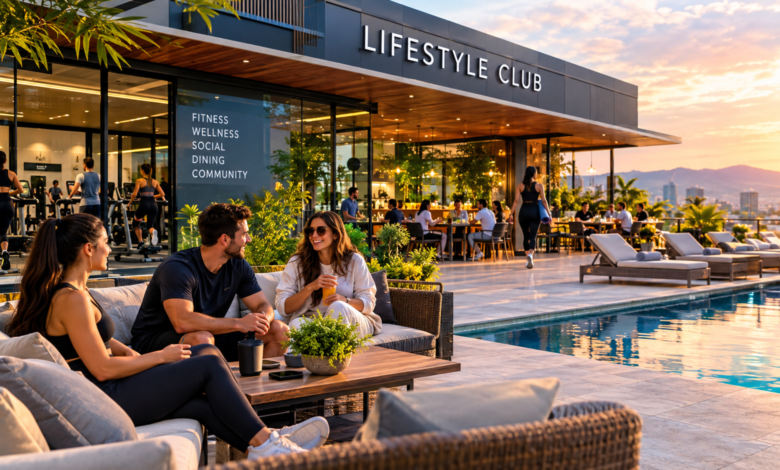
A lifestyle club is a modern social space designed around the way people want to live, connect, relax, and spend their free time. Unlike a traditional club that may focus on one activity, lifestyle clubs often combine social experiences, wellness, entertainment, dining, fitness, networking, and community under one concept. The goal is not simply to provide a physical place to visit. It is to create an environment where members can build relationships while enjoying experiences that match their interests and routines.
The idea has become increasingly attractive because people are looking for more meaningful ways to socialize. A coffee shop can provide a place to sit, while a gym can provide a place to exercise, but a lifestyle club can bring several parts of everyday life together. Members might attend a fitness class in the morning, meet friends for lunch, participate in an evening event, or join a workshop on the weekend. That combination creates a more complete social experience.
Another important feature of a lifestyle club is its emphasis on community. People often join because they want to meet others who share similar interests, ambitions, values, or lifestyles. In a well-managed club, the atmosphere feels welcoming rather than transactional. Members are not simply customers purchasing access to facilities; they become part of a community with shared experiences.
Lifestyle clubs can also differ dramatically from one another. Some focus heavily on luxury and exclusivity, while others are centered on wellness, creativity, entrepreneurship, sports, or family activities. There is no single formula that defines every lifestyle club. The common thread is the idea of bringing people together around a particular way of living.
For many members, convenience is another major attraction. Modern life can be busy, and people often have limited time to travel between different locations for work, exercise, dining, and social activities. A lifestyle club can combine several of these experiences in one place. This makes it easier for members to fit social and recreational activities into their schedules.
Ultimately, a lifestyle club is best understood as an experience rather than simply a building or membership card. Its success depends on the quality of its community, activities, atmosphere, service, and ability to make members feel that they belong. When those elements work together, a lifestyle club can become a meaningful part of someone’s everyday routine.
Why Are Lifestyle Clubs Becoming More Popular?
One reason lifestyle clubs are becoming more popular is that people increasingly value experiences over possessions. Many consumers would rather spend money on memorable activities, social events, wellness programs, and travel-inspired experiences than simply purchase more physical products. Lifestyle clubs are well positioned to meet this demand because they sell an ongoing experience rather than a single service.
Social connection is another important factor. Digital communication has made it easier to stay in contact with people, but online interaction does not always replace genuine face-to-face relationships. A lifestyle club creates opportunities for members to meet naturally in shared spaces. A conversation after a workout or during a community event can sometimes develop into a long-term friendship, professional relationship, or creative partnership.
The changing nature of work has also influenced the appeal of these clubs. Remote and hybrid workers may no longer spend every weekday surrounded by colleagues. Working from home can be convenient, but it can also reduce spontaneous social interaction. Some lifestyle clubs respond to this change by offering comfortable workspaces, networking events, meeting areas, and informal environments where professionals can connect.
Wellness has become another major part of the lifestyle conversation. People are paying more attention to physical fitness, mental relaxation, nutrition, sleep, and overall quality of life. Instead of treating wellness as a single gym session, lifestyle clubs can incorporate several dimensions of healthy living. Yoga, strength training, meditation, healthy dining, recovery spaces, and educational sessions may all fit within the same membership.
The popularity of lifestyle clubs is also connected to personalization. Consumers increasingly expect services to reflect their individual preferences. A successful club can offer different experiences for different types of members. One person might be interested in fitness and wellness, while another may care more about networking, food, music, or cultural events. Flexible programming allows the club to serve a diverse community without losing its central identity.
Finally, lifestyle clubs appeal to people who want a sense of belonging. The best clubs create traditions, recurring events, familiar faces, and shared memories. That emotional connection can be more powerful than a long list of facilities. When members feel recognized and valued, they are more likely to remain engaged and recommend the club to others.
What Services Can a Lifestyle Club Offer?
The services offered by a lifestyle club depend heavily on its target audience and overall concept. Fitness is one of the most common components. Members may have access to gyms, personal training, group exercise classes, cycling sessions, Pilates, yoga, swimming, or specialized training programs. The difference is that fitness is often presented as part of a broader lifestyle rather than the club’s only purpose.
Wellness services can add another layer to the experience. These may include meditation sessions, recovery areas, massage services, relaxation rooms, wellness workshops, or educational programs. Some clubs may also organize talks about nutrition, sleep, stress management, and healthy routines. The emphasis is usually on helping members develop sustainable habits rather than chasing short-term results.
Dining and social spaces are equally important in many lifestyle clubs. A well-designed lounge, restaurant, café, rooftop, or bar can become the social heart of the community. Members may use these areas for casual conversations, business meetings, celebrations, or simply relaxing after work. Food and hospitality can turn a functional facility into a destination where people actually want to spend time.
Entertainment is another area where lifestyle clubs can differentiate themselves. Live music, film screenings, comedy nights, cultural events, private parties, and themed gatherings can make membership more engaging. These events also provide natural opportunities for members to meet people outside their usual social circles.
Professional networking can be particularly valuable for entrepreneurs, freelancers, executives, and creative professionals. A club might organize business breakfasts, panel discussions, workshops, founder meetups, or industry-focused events. The strongest networking environments do not feel like forced sales meetings. Instead, relationships develop naturally through shared interests and repeated interactions.
Some lifestyle clubs also offer family-oriented services. Depending on the concept, this could include children’s activities, family events, educational programs, recreational facilities, or flexible spaces for parents. This broader approach recognizes that modern lifestyles are not limited to individual interests. A club can become more useful when it accommodates different stages of members’ lives.
How Does a Lifestyle Club Create a Sense of Community?
Community does not happen automatically simply because people share the same building. A successful lifestyle club has to create opportunities for meaningful interaction. This begins with thoughtful programming. Regular events, classes, workshops, and social gatherings give members reasons to return and interact with one another.
The physical environment also matters. If every space is designed for isolated use, members may rarely talk to each other. Comfortable communal seating, shared tables, open lounges, outdoor areas, and welcoming cafés can encourage spontaneous conversations. Good design quietly influences social behavior without requiring people to participate in organized activities.
Staff members play an important role as well. Friendly employees who recognize regular members can make a club feel personal. Remembering someone’s name, understanding their interests, or introducing them to another member can make a surprisingly large difference. Hospitality is often what turns a collection of facilities into a genuine community.
Clubs can also build community through shared rituals. Weekly dinners, monthly networking nights, seasonal celebrations, fitness challenges, creative workshops, or annual events can become traditions that members look forward to. These recurring experiences create familiarity and give people something to discuss even outside the club.
A strong community also requires inclusivity. Exclusivity may create a sense of prestige, but excessive barriers can make a club feel uncomfortable or artificial. Members should understand the culture and expectations while still feeling free to be themselves. A healthy community balances identity with openness.
Most importantly, community develops over time. Someone may join a lifestyle club because of its gym, restaurant, workspace, or location, but they often remain because of the relationships they build. That is why clubs that invest in member interaction can create much stronger long-term loyalty than those that focus exclusively on physical amenities.
Lifestyle Club Membership: What Should You Look For?
Choosing a lifestyle club should begin with understanding your personal priorities. Before paying for membership, consider what you actually expect to use. If fitness is your main interest, examine the training facilities and class schedule. If networking matters more, look at professional events and the existing member community. The most expensive membership is not necessarily the best choice.
Location should also be considered carefully. A beautiful club that takes an hour to reach may not become part of your regular routine. Convenience matters because lifestyle memberships work best when you use them consistently. A nearby club that fits naturally into your schedule can provide more value than a more luxurious facility that you rarely visit.
You should also investigate what the membership actually includes. Some clubs advertise extensive facilities but charge additional fees for many popular services. Ask about classes, personal training, events, dining benefits, guest access, wellness treatments, workspace availability, parking, and other potentially important extras. Understanding the complete cost can prevent unpleasant surprises later.
The club’s culture deserves just as much attention as its facilities. Visit the space if possible and observe the atmosphere. Do people appear relaxed and comfortable? Are staff members helpful? Is the environment social or mostly quiet? Does the membership seem to include people with interests similar to yours? These details can tell you more than promotional photographs.
Membership rules are another important consideration. Some clubs have strict guest policies, booking requirements, cancellation terms, dress codes, or minimum commitments. Those rules may be perfectly reasonable, but you should understand them before joining. A membership becomes frustrating when its conditions do not match your lifestyle.
Finally, think about value rather than price alone. A membership can be worthwhile if you regularly use several services and genuinely enjoy the community. Conversely, even a relatively inexpensive club may be poor value if you rarely attend. The right question is not simply, “How much does it cost?” but rather, “How much value will I realistically receive from it?”
Lifestyle Clubs and Wellness
Wellness has become one of the strongest themes within the modern lifestyle club concept. Rather than treating health as a narrow fitness goal, many clubs approach it as a combination of movement, recovery, relaxation, nutrition, social connection, and personal development. This broader perspective reflects how people increasingly think about overall well-being.
Exercise is still an important foundation. Lifestyle clubs can provide access to strength training, cardiovascular equipment, group classes, mobility sessions, yoga, Pilates, and other forms of movement. Variety is useful because different members have different preferences and physical goals. A diverse program can also help people avoid becoming bored with the same routine.
Recovery is another growing area. After demanding workouts or stressful workdays, people may want spaces designed for relaxation. Depending on the club, this could include stretching areas, saunas, massage services, quiet rooms, or recovery-focused sessions. The concept is simple: taking care of yourself involves more than pushing harder.
Mental well-being can also become part of the club experience. Meditation, mindfulness sessions, creative activities, social gatherings, and quiet spaces can help members disconnect from constant digital stimulation. While a lifestyle club should never replace professional medical or mental-health care, it can create an environment that supports healthier everyday habits.
Nutrition may also feature in the experience. Some clubs provide healthy meals, cafés, juice bars, cooking classes, or educational sessions. The goal is often to make healthier choices convenient rather than treating them as a burden. When nutritious options are accessible within the same environment, members may find it easier to maintain consistent routines.
The strongest wellness-focused clubs avoid turning every activity into a competition. Wellness is personal, and people progress at different speeds. A supportive atmosphere encourages sustainable habits instead of unrealistic expectations. That philosophy can make a lifestyle club more welcoming to beginners as well as experienced fitness enthusiasts.
Lifestyle Clubs as Social and Professional Hubs
Lifestyle clubs can function as social hubs because they provide a setting where people can meet repeatedly. Unlike one-time events, membership creates continuity. Seeing familiar faces over weeks and months makes it easier to move from casual recognition to actual friendship.
For professionals, this environment can create unexpected opportunities. A member might meet a potential business partner during breakfast, discover a creative collaborator at an event, or receive a useful introduction through another member. These connections are not guaranteed, but a well-connected community increases the chances of valuable interactions.
Entrepreneurs may find lifestyle clubs particularly useful because their work often involves networking and collaboration. Instead of attending formal business events every week, they can build relationships through informal conversations. Sometimes a relaxed discussion over coffee is more productive than a structured networking session.
The social atmosphere can also benefit people who have recently moved to a new city. Establishing a new social circle can be difficult, particularly for professionals with demanding schedules. A lifestyle club provides recurring activities where newcomers can meet people without having to arrange every interaction independently.
Creative communities can benefit in similar ways. Writers, designers, photographers, musicians, marketers, and other professionals often gain inspiration from meeting people outside their immediate fields. A diverse membership can create an environment where ideas cross between industries and disciplines.
However, networking should not become the only purpose. People also want friendships, relaxation, entertainment, and genuine human connection. A healthy lifestyle club creates an environment where professional relationships can develop naturally without making every conversation feel like a business transaction.
How Technology Is Changing Lifestyle Clubs
Technology has become an important part of the modern lifestyle club experience. Membership applications can allow users to book classes, reserve tables, register for events, communicate with the club, and manage their schedules. These tools make membership more convenient while reducing administrative friction.
Digital platforms can also help clubs personalize experiences. Members may receive recommendations based on their interests, reminders about upcoming events, or information about classes they frequently attend. Personalization can make a large club feel more manageable and relevant to each individual.
Smart fitness technology is another growing area. Wearable devices, connected equipment, digital training programs, and performance tracking can help members monitor their activities. When used responsibly, these tools can make workouts more engaging and provide useful feedback.
Technology can also strengthen communication within the community. Members may be able to discover events, join interest groups, share recommendations, or connect with other members through a private digital platform. This extends the community beyond the physical walls of the club.
At the same time, clubs need to avoid becoming overly digital. One of their biggest advantages is face-to-face interaction. If members spend their entire visit looking at screens, the club loses part of its unique value. Technology should support human experiences rather than replace them.
Privacy is another important consideration. Lifestyle clubs that collect member information should handle it responsibly and clearly explain how data is used. Trust matters greatly in membership-based communities, particularly when technology is involved in fitness, payments, preferences, and personal communication.
What Makes a Lifestyle Club Successful?
A successful lifestyle club starts with a clear identity. It should know who it is designed for and what experience it wants to provide. Trying to appeal to absolutely everyone can produce a generic environment that fails to excite anyone. A strong identity helps attract members who genuinely fit the community.
Quality is equally important. Members quickly notice when facilities are poorly maintained, events feel repetitive, or service standards decline. A lifestyle club does not necessarily need to offer every possible feature, but whatever it provides should be reliable and well managed.
Customer service is another major differentiator. People remember how they are treated. Staff members who are attentive, professional, and approachable can create an atmosphere that encourages loyalty. Small interactions often have a larger impact than expensive equipment.
Programming should also evolve. Members want familiar activities, but they also appreciate fresh experiences. New classes, seasonal events, guest speakers, workshops, dining concepts, and community activities can keep the club interesting without abandoning its core identity.
A successful club must also listen to its members. Surveys, conversations, feedback forms, and informal observations can reveal what people enjoy and what they want improved. Listening does not mean implementing every suggestion, but it does show that the organization values its community.
Ultimately, the strongest lifestyle clubs understand that membership is emotional as well as practical. People may join for a gym, workspace, restaurant, or event calendar, but they stay when the club becomes part of their identity and routine. That emotional connection is difficult to replicate and can become the club’s greatest competitive advantage.
The Future of Lifestyle Clubs
The future of lifestyle clubs is likely to become more personalized and experience-driven. Consumers are increasingly interested in spaces that combine convenience with meaningful experiences. Instead of visiting separate locations for fitness, work, dining, and social activities, people may prefer environments that bring several needs together.
Wellness will probably remain a major focus. However, the definition of wellness may continue expanding. Physical fitness could increasingly be combined with recovery, nutrition, mindfulness, social connection, and educational experiences. Clubs that understand wellness as a long-term lifestyle rather than a temporary trend may have stronger appeal.
Flexible membership models could also become more common. Not everyone wants the same level of access, and people have different schedules. Clubs may offer different tiers, day passes, flexible memberships, digital options, or specialized packages. Greater flexibility could make the concept accessible to a broader audience.
Technology will continue supporting personalization and convenience. Mobile booking, smart facilities, digital communities, and data-driven recommendations may become standard features. Still, the physical community will remain important because genuine social interaction is one of the main reasons people seek these spaces.
Sustainability may become another significant consideration. Members increasingly pay attention to how businesses manage energy, food waste, materials, transportation, and environmental impact. Lifestyle clubs that integrate responsible practices into their operations may appeal to environmentally conscious consumers.
The biggest opportunity may be creating communities that feel genuinely human. In a world filled with digital communication, people still want places where they can meet, talk, laugh, learn, exercise, and share experiences. The lifestyle club of the future will likely succeed not because it has the longest list of amenities, but because it creates the strongest sense of belonging.
Final Thoughts on the Lifestyle Club Concept
The lifestyle club represents a broader shift in how people think about leisure, wellness, community, and social life. Instead of separating every activity into a different location, the concept brings multiple experiences together around a shared community. That makes it more than a traditional club and more flexible than a single-purpose facility.
For members, the benefits can include social opportunities, fitness, wellness, dining, entertainment, networking, and convenience. However, the real value depends on how actively a person uses the club and whether its culture matches their personality and interests.
For businesses, the concept offers an opportunity to build long-term relationships rather than relying only on individual transactions. A strong lifestyle club can create recurring engagement through memberships, events, hospitality, and community experiences.
The most important element remains people. Beautiful interiors, impressive gyms, sophisticated restaurants, and advanced technology can attract attention, but they cannot create a genuine community on their own. People create the atmosphere through conversations, friendships, collaborations, and shared experiences.
If you are considering joining one, look beyond the marketing. Visit the club, understand its membership terms, observe the atmosphere, and think about how often you would realistically use its services. The best club for you is the one that naturally fits into your lifestyle.
In the end, a great lifestyle club should make everyday life feel a little richer. It should give you somewhere to go, people to meet, activities to enjoy, and experiences worth remembering. That combination explains why the lifestyle club model continues to attract attention in a world where connection, convenience, and quality experiences matter more than ever.